
Fake Padel Rackets: How to Spot and Avoid Fakes

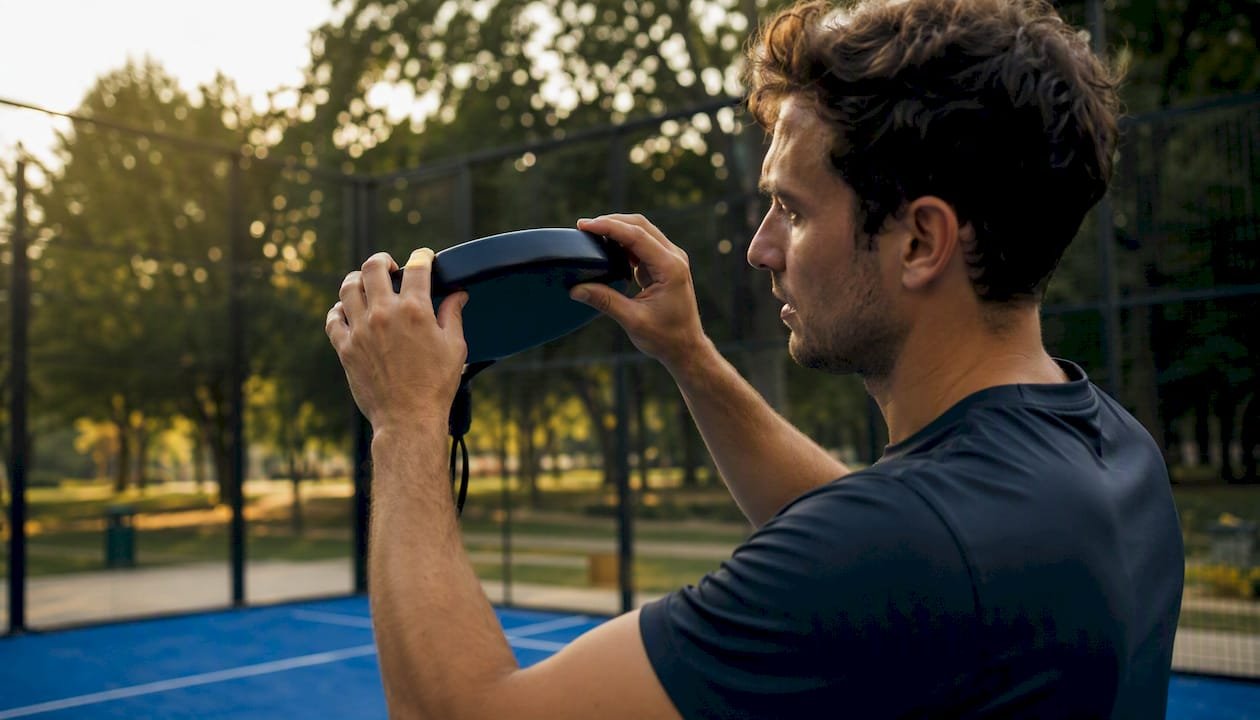
A racket is likely counterfeit when multiple checks fail at once. One blurry logo might be a printing quirk. But a blurry logo plus a wrong weight, a serial number that doesn’t scan, and a seller with no return policy? That’s a fake.
Run these five checks before you buy — they take under a minute:
- Branding and finish: Logos sharp and centered? Paint consistent, no rough edges or bubbling?
- Materials and feel: Does the frame feel hollow or flimsy? Grip wrap thin and slippery?
- Serial number and packaging: Serial present, legible, and in the right location for that model?
- Weight and balance: Does it match the manufacturer’s published specs within a few grams?
- Seller and listing signals: New account? No reviews? No returns? Price far below retail?
If three or more of these checks raise a flag, treat the racket as suspect until you can verify it with the manufacturer or an authorized retailer. Multiple small checks together — branding, finish, weight/balance, serials, and seller behavior — are what reveal a fake; no single flaw proves it on its own.
On price: if a Bullpadel, NOX, Babolat, Head, or Royal Padel racket is listed at a significantly reduced price below its standard retail price with no clear explanation (open-box, last season’s model, verified sale), that gap alone warrants a full inspection before you hand over any money.
Key Takeaways
Spotting a fake padel racket comes down to running five quick checks together: branding, materials, serials, weight/balance, and seller signals. No single flaw proves a fake, but three or more failures together almost always do.
| Point | Details |
|---|---|
| Run five checks together | Branding, finish, serials, weight/balance, and seller behavior together reveal fakes; one flaw alone rarely proves anything. |
| Weight and balance are measurable | Weigh the racket and find its balance point; compare both against the manufacturer’s published specs for that exact model. |
| Price gap is a fast signal | A premium racket listed significantly below retail with no clear explanation warrants a full inspection before purchase. |
| Seller behavior is often the fastest tell | No returns, off-platform payment requests, and evasive answers to serial questions are stronger red flags than most physical defects. |
| Padelhip ships authentic gear from Spain | Every Padelhip purchase comes with verified specs, a clear returns policy, and direct shipping from Spain for built-in authenticity assurance. |
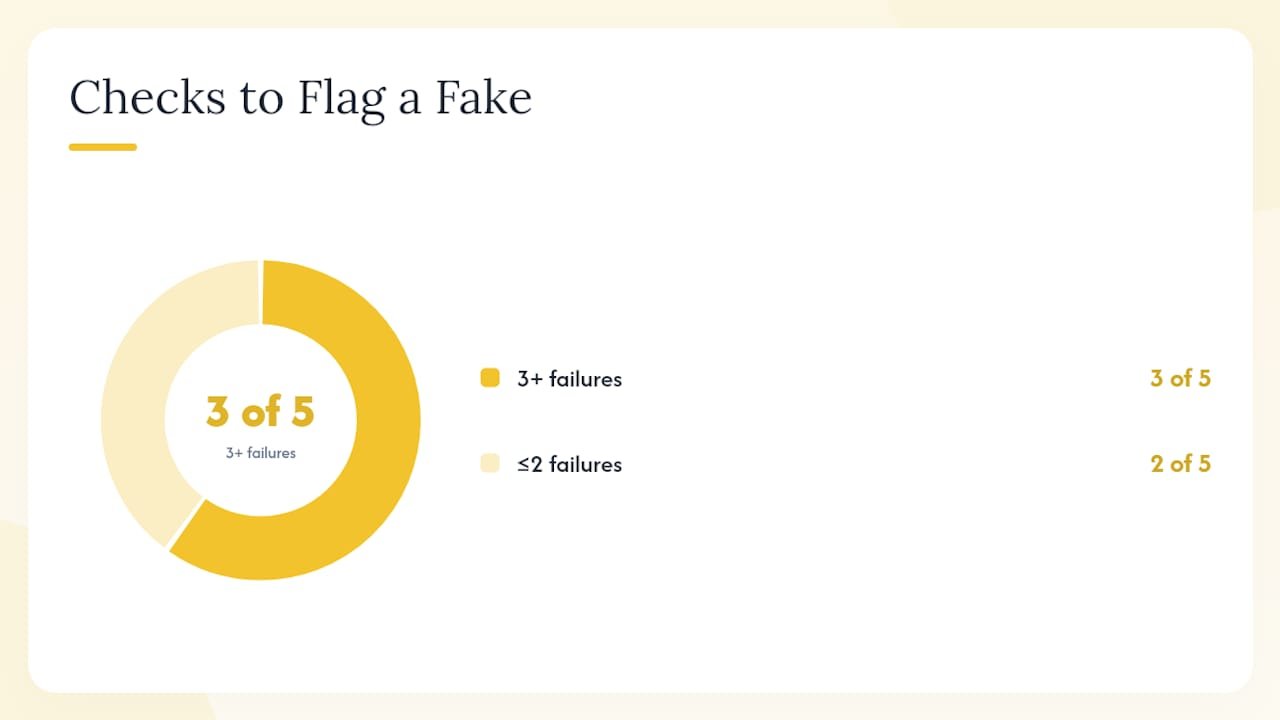
Table of Contents
- Why counterfeit padel rackets are a real problem for players
- How to spot fake padel rackets: visual and branding checks
- Material, weight, and balance checks you can do yourself
- Serial numbers, packaging, and model-year verification
- Price and listing red flags on online marketplaces
- How to vet a seller before you buy
- What to do if you suspect a racket is already fake
- How Padelhip guarantees authenticity and what you can verify
- The part of this problem most buyers underestimate
- Authentic padel gear, verified and shipped from Spain
- Sources
Why counterfeit padel rackets are a real problem for players
Buying a fake isn’t just a financial loss. The playing experience changes in ways that can hurt your game and, in some cases, your arm.
Counterfeit rackets typically use lower-grade materials throughout: cheaper fiberglass instead of carbon fiber, softer and less consistent EVA foam cores, and thinner frame walls. The result is a racket that feels “dead” on contact, absorbs less vibration, and transfers more shock to your wrist and elbow. Very low-cost rackets built from 100% fiberglass with soft foam cores tend to feel dead and can increase arm strain compared with carbon-frame rackets — and counterfeit versions of premium models often use exactly that construction while charging near-premium prices.
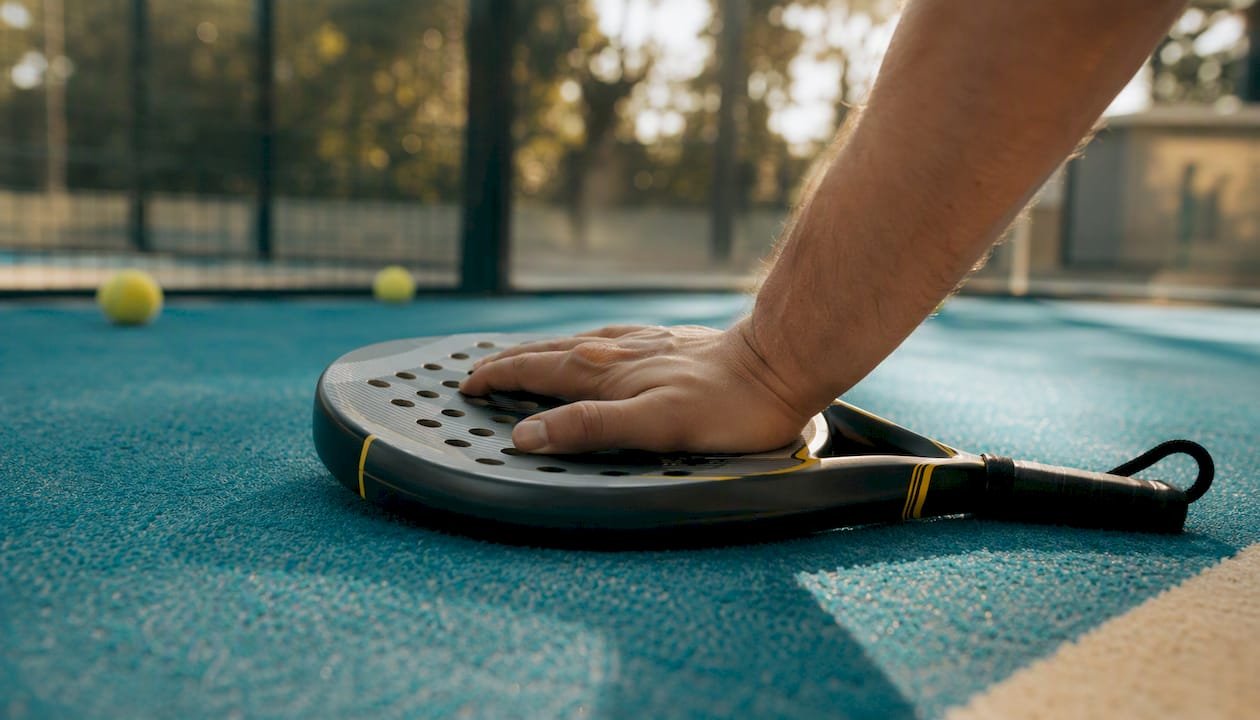
The balance point issue is equally serious. Documented cases of counterfeit racquets show balance points as much as 14 points more head-heavy than the genuine model, which changes handling, swing speed, and the stress placed on your shoulder and elbow over a long session.
Beyond performance, the practical problems stack up fast:
- No warranty coverage: Manufacturers like Bullpadel, NOX, Babolat, Head, and Royal Padel only honor warranties on rackets sold through authorized channels. A fake gets you nothing.
- No returns: Most counterfeit sellers have no return policy, or one that’s effectively unenforceable.
- Resale value drops to zero: A racket that can’t be verified as genuine is unsellable to any informed buyer.
- Safety risk: Structural defects in counterfeit frames can cause the racket to crack or delaminate mid-play.
Verifying authenticity requires checking branding precision, material quality, serial numbers, holograms, and production documentation together — not just one of them.
How to spot fake padel rackets: visual and branding checks
The most reliable visual checks are the small, repeatable ones. A single scuff on a used racket means nothing. Consistently poor print quality across every label, logo, and sticker? That’s a pattern.
Work through this checklist on any racket you’re unsure about:
- Logo alignment and sharpness: On genuine Bullpadel, NOX, Babolat, Head, and Royal Padel rackets, logos are crisp, centered, and applied with consistent depth. Blurry edges, color bleeding, or logos that sit slightly off-center are common on fakes.
- Paint and finish consistency: Check the face, frame edges, and throat. Genuine rackets have uniform color with no visible brush marks, bubbling, or uneven gloss. Counterfeits often show streaking or dull patches where the paint was applied unevenly.
- Seam quality: Run your finger along the frame seam where the two halves join. On a genuine racket, this seam is tight and smooth. A raised, rough, or visibly misaligned seam is a red flag.
- Perforation pattern: The holes in the face should be uniform in size, spacing, and depth. Irregular or slightly oval perforations suggest a lower-quality mold.
- Label and sticker printing: Check the grip label, model sticker, and any certification marks. Genuine labels use sharp fonts with consistent spacing. Blurry text, incorrect fonts, or labels that peel at the corners are warning signs.
- Hologram and certification marks: Many premium models carry a hologram sticker or certification mark. On a fake, these are often printed flat rather than reflective, or missing entirely.
When buying online, ask the seller for close-up photos of the logo, the serial number location, the frame seam, and the grip label. Compare those photos directly against the manufacturer’s official product page or an authorized retailer’s listing. The differences are usually obvious once you’re looking at them side by side.
Pro Tip: Font details and serial-number placement are harder to fake consistently than the overall shape or color scheme. If the font on the grip label doesn’t match the manufacturer’s official photos exactly, that’s a more reliable signal than a color that looks slightly off in a phone photo.
Material, weight, and balance checks you can do yourself
You don’t need a lab to catch most material-quality fakes. Your hands and a kitchen scale will get you most of the way there.
What cheap construction actually feels like
Counterfeit rackets almost always use 100% fiberglass frames rather than carbon fiber or carbon/fiberglass composites. Fiberglass is heavier for its stiffness, flexes more on impact, and transmits more vibration. When you hold a genuine carbon-frame racket from Bullpadel or Head and then pick up a fiberglass fake, the difference in stiffness is noticeable immediately. The fake flexes slightly when you press the face with your palm; a carbon frame barely moves.
The core tells a similar story. Genuine EVA foam cores in mid-to-high-end rackets have a firm, consistent feel when you press the face. Counterfeit cores are often softer and less uniform, giving the face a slightly spongy response.
How to check weight and balance at home
- Weigh the racket. Use a kitchen scale. Most genuine padel rackets have a typical weight range as indicated by the manufacturer’s published specs on their official product page. A racket with a weight significantly outside the expected range without explanation (grip overwrap, extra dampener) is worth investigating.
- Find the balance point. Balance the racket horizontally on a thin edge (a ruler or the back of a chair works). The point where it balances is the balance point, measured from the butt of the handle. Genuine rackets are spec’d as head-heavy, even, or handle-heavy depending on the model and shape. Check the manufacturer’s page for the exact figure.
- Compare to published specs. Padelhip’s product pages for models like the Royal Padel EFE Extreme 2026 and the Bullpadel Vertex Advance 26 list weight, shape, and construction details you can use as a reference. If the racket you’re checking is significantly heavier, lighter, or differently balanced than the spec, that’s a concrete red flag.
- Check the swing feel. A racket that feels unusually head-heavy for its stated shape (e.g., a round or teardrop shape that swings like a diamond) may have been mislabeled or built to a different spec entirely.
A balance point that is dramatically off from the genuine spec changes how the racket plays and puts extra stress on your arm over time.
Serial numbers, packaging, and model-year verification
Serial numbers are one of the clearest checkpoints, and counterfeiters frequently get them wrong.
- Location matters: Each brand places serials in a consistent spot. On NOX rackets, the serial is typically on the throat or handle area. On Bullpadel models, check the frame near the handle. If the serial is in an unusual location for that brand, that’s worth flagging.
- Print quality: Genuine serials are laser-etched or cleanly printed with sharp characters. Blurry, smudged, or hand-stamped-looking serials are a warning sign.
- Duplicate serials: Some counterfeit operations reuse a single valid serial number across many units. If you can contact the manufacturer and two different rackets share the same serial, one of them is fake.
- QR codes: Several brands now include QR codes that link to a product verification page. Test the QR code. If it doesn’t scan, links to a generic page, or redirects somewhere unexpected, treat it as suspect.
- Model-year mismatches: A racket labeled as a 2026 model but using packaging graphics from 2023, or listing specs that don’t match the current year’s release, is a red flag. Manufacturers update packaging and spec sheets each season.
- Country-of-origin claims: NOX publicly warned about fake NOX rackets sold with incorrect country-of-origin claims. NOX exports from Spain only, so a racket claiming to be manufactured in China or another country is not genuine. Check the brand’s official export and manufacturing statements.
- Packaging language: Genuine rackets sold in the US market typically include English-language packaging or at minimum a multilingual insert. Packaging that’s entirely in a language inconsistent with the stated shipping origin is a mismatch worth questioning.
When asking a manufacturer or authorized retailer to verify: send them the serial number, a photo of the serial location, a photo of the full racket face, and a photo of the packaging label. Most major brands have a customer service channel that can confirm whether a serial is valid.
Price and listing red flags on online marketplaces
Price is a blunt instrument, but it’s a fast one. If a racket’s price looks wrong, it usually is.
- A genuine premium racket from Bullpadel, Babolat, Head, NOX, or Royal Padel listed significantly below its standard retail price, with no clear reason (end-of-season sale, open-box, verified discount), warrants a full inspection. Check current price bands to know what’s normal for each tier.
- Shipping origin mismatches: A racket listed as a Spanish brand but shipping from a country with no authorized manufacturing or distribution relationship with that brand is a red flag. NOX, Bullpadel, and Royal Padel are Spanish brands; unexpected shipping origins from unrelated countries deserve scrutiny.
- Currency and language mismatches: A listing in English with prices in a currency inconsistent with the stated seller location, or product descriptions that read like machine-translated text, suggests the listing isn’t what it claims to be.
- Stock photos only: Legitimate sellers of genuine rackets can photograph the actual item. A listing that uses only manufacturer press photos, with no photos of the real product, serial number, or packaging, gives you nothing to verify.
- No returns or warranty information: Genuine authorized retailers stand behind what they sell. A listing with no return policy or one that explicitly excludes warranty claims is a significant risk signal.
- Marketplace platform risk: Platforms like Temu and AliExpress have documented histories of counterfeit sporting goods listings. That doesn’t mean every listing is fake, but the verification bar should be higher when buying from these channels.
How to vet a seller before you buy
The racket itself is only half the picture. The seller’s behavior tells you just as much.
Check these before you commit:
- Account age and history: A seller account created recently with few or no completed transactions is higher risk, especially for premium gear.
- Review patterns: Look at Trustpilot and the platform’s own review system. A pattern of complaints mentioning “not as described,” “fake,” or “poor quality” is a direct warning. A handful of suspiciously generic five-star reviews posted in a short window is also a red flag.
- Return policy: Legitimate sellers accept returns. A seller who won’t accept returns on an item that “might not be as described” is protecting themselves, not you.
- Payment methods: Sellers who push for wire transfers, cryptocurrency, or off-platform payments offer you no buyer protection. Stick to payment methods with dispute resolution (credit card, PayPal, platform-native checkout).
When messaging a seller directly, ask these questions before buying:
- Can you send a photo of the serial number on this specific racket?
- Do you have proof of purchase from an authorized distributor?
- Is this racket covered by the manufacturer’s warranty?
- Are you an authorized reseller for this brand?
Pro Tip: Evasive answers, long delays before responding, or any attempt to move the conversation off the platform are strong signals the seller knows the racket won’t survive scrutiny. A legitimate seller has nothing to hide and answers these questions quickly.
What to do if you suspect a racket is already fake
Acting fast matters here. The longer you wait, the harder a dispute becomes.
- Stop using it if there are structural concerns. If the frame shows cracks, delamination, or the face feels structurally unsound, don’t play with it. A compromised frame can fail mid-swing.
- Document everything immediately. Photograph the racket from every angle, including the serial number, packaging, and any defects. Screenshot the original listing, the seller’s profile, and any messages you exchanged.
- Contact the manufacturer. Send your photos and serial number to the brand’s official customer service. Bullpadel, NOX, Babolat, Head, and Royal Padel all have contact channels. Ask them to confirm whether the serial is valid and whether the racket matches their genuine product.
- Open a dispute with the platform or payment provider. Most platforms (Amazon, eBay, etc.) have buyer protection programs that cover “not as described” claims. Credit card companies and PayPal also offer dispute processes. File as soon as you have documentation.
- Report the listing. Use the platform’s reporting tool to flag the listing as counterfeit. This protects other buyers.
What to include in a dispute:
- Photos of the racket showing the defects or discrepancies
- A screenshot of the original listing
- Any written confirmation from the manufacturer that the serial is invalid or the racket is not genuine
- Records of your communication with the seller
For broader reporting, the U.S. Consumer Product Safety Commission (CPSC) accepts reports of unsafe counterfeit products, and the National Intellectual Property Rights Coordination Center (IPR Center) handles counterfeit goods complaints at the federal level.
How Padelhip guarantees authenticity and what you can verify
Padelhip sells 100% authentic padel gear, ships directly from Spain, and backs every purchase with a clear warranty and returns policy. That shipping origin matters: the major padel brands (Bullpadel, NOX, Royal Padel, Babolat, Head) are either Spanish or have their primary European distribution through Spain, so a retailer shipping from Spain is operating close to the source.
As a buyer, here’s how to use Padelhip’s setup to verify what you’re getting:
- Check the product page specs before you buy. Padelhip’s listings include construction details (carbon frame, EVA core type, shape) and technical specs for models like the Bullpadel Vertex Advance 26 and the Royal Padel EFE Extreme 2026. Use those specs as your reference when comparing against any other listing.
- Use the order confirmation as a verification record. Your order confirmation from Padelhip documents the exact model, SKU, and purchase date — useful if you ever need to validate the racket with the manufacturer.
- Contact Padelhip customer service for model verification. If you’re unsure whether a racket you’ve seen elsewhere matches genuine specs, Padelhip’s team can help you compare.
- Review the returns policy before purchase. Padelhip’s returns process is clearly stated, which is itself a trust signal that distinguishes it from the no-returns counterfeit sellers described earlier.
Buying from a merchant who ships from the brand’s home market, publishes full technical specs, and offers real returns is one of the most reliable ways to avoid counterfeit padel gear entirely. The authenticity guarantees at Padelhip are built into the supply chain, not just stated in marketing copy.
The part of this problem most buyers underestimate
Most players focus on the racket itself when checking for fakes. The seller’s behavior is actually the faster tell.
A genuine authorized retailer has a supply chain to protect. They answer questions about serials, they have return policies, and they don’t push you toward wire transfers. A counterfeit operation has none of those incentives. The evasiveness, the missing return policy, the pressure to pay off-platform — those aren’t coincidences. They’re the business model.
The brands most frequently counterfeited in padel (Bullpadel, NOX, Babolat, Head, Royal Padel) are premium Spanish and European brands with strong global demand and prices that make counterfeiting profitable. That’s not a reason to avoid them. It’s a reason to buy them from verified sources and run the five-point checklist every time you’re buying outside an authorized channel.
One more thing worth saying plainly: a fake Bullpadel or NOX racket at half price isn’t a deal. It’s a racket that plays worse, voids your warranty, may hurt your arm, and has no resale value. The math doesn’t work in your favor even before you factor in the time spent on disputes and returns.
Authentic padel gear, verified and shipped from Spain
Spending time on counterfeit checks is frustrating when you just want to play. Padelhip removes that friction entirely. Every racket in the store is sourced through verified supply chains, ships directly from Spain, and comes with a clear returns policy you can actually use.
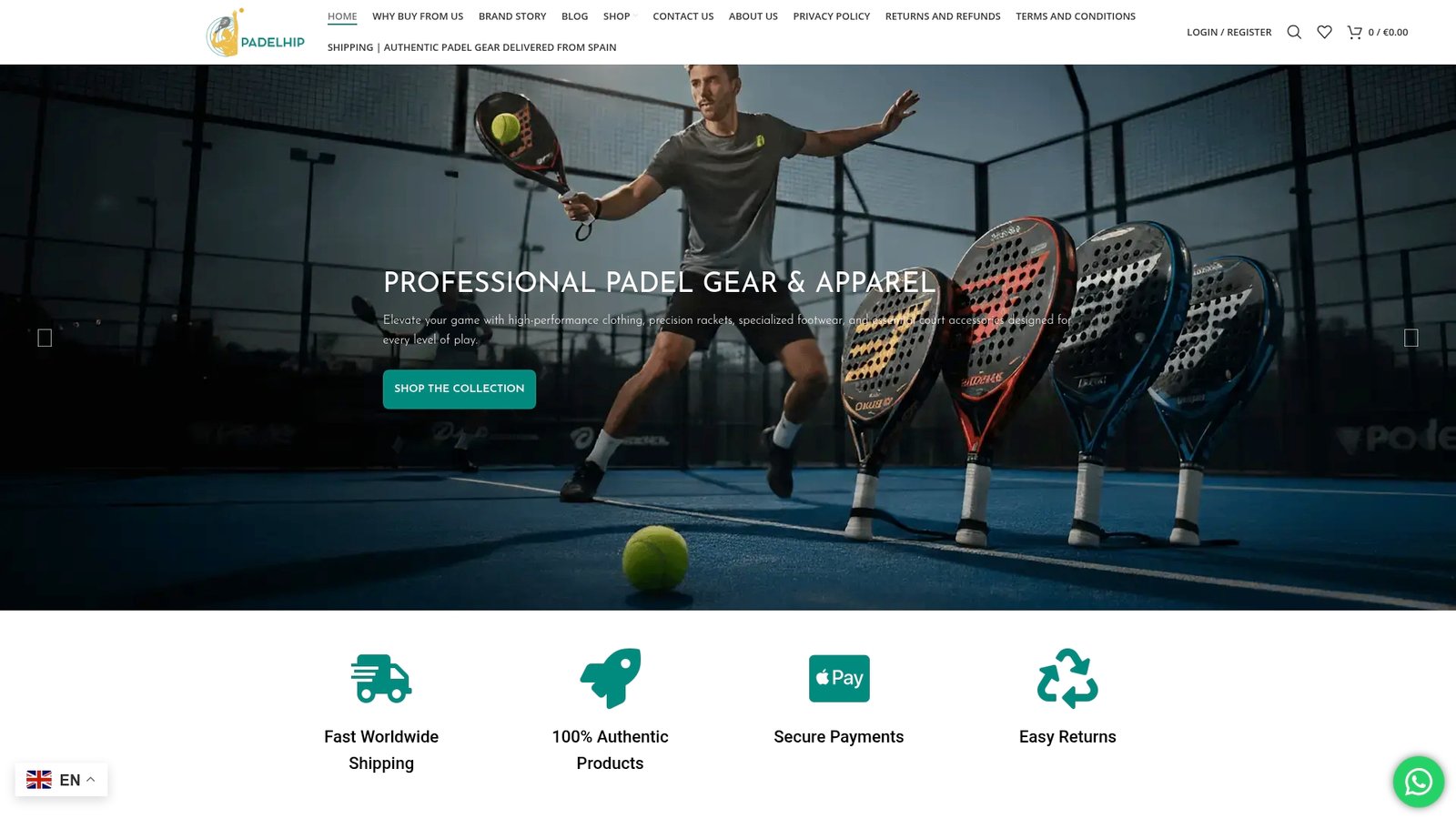
Whether you’re looking for a Bullpadel Vertex Advance 26, a Babolat Air Vert, or want to browse the full range of authentic padel rackets, Padelhip’s product pages give you the exact specs (weight, balance, construction) to compare against any listing you’re unsure about. If you have a specific model in mind and want to verify it before buying elsewhere, reach out to Padelhip’s customer service team directly. That’s a free check that takes minutes and could save you from a costly mistake.
Sources
Use these resources to check model specs, find authorized retailers, and report counterfeits:
- How to Spot Fake Padel Rackets Before You Buy – RacketLoop
- How to Know If My Padel Racket Is Original – NEX Padel
- Fake Racquets | Tennis Warehouse Australia
- Trustpilot