
Best Padel Balls 2026: Top Picks for U.S. Players

For most U.S. players in 2026, three cans cover every situation: Head Padel Pro+ for all-round match play, Wilson X3 when durability is the priority, and Head Padel Pro S+ or Bullpadel Premium Pro when your court runs slow or humid. If you want FIP-approved stock shipped fast with bulk discounts, Padelhip is the first place to check before anything else.
Quick picks at a glance:
- Best all-round match ball: Head Padel Pro+ — reformulated 2026 core holds pressure longer and resists moisture pickup
- Best for durability/heavy use: Wilson X3 — abrasion-resistant felt, longer pressure retention, ideal for coaches and clubs
- Best for humid or coastal courts: Head Padel Pro S+ or Bullpadel Premium Pro — speed variants engineered to keep tempo in heavy air
- Best value FIP-approved option: Dunlop Pro Padel — economical, FIP-certified, built for weekly league play
- Best U.S. source (bulk + authenticity): Padelhip — curated FIP-approved stock, bulk packs, fast shipping
For matches and competitive drills, use FIP-approved pressurized cans; pressureless balls are better suited for machine feeding and high-volume basket work. Climate matters too. Altitude and humidity affect ball play — high-altitude areas may benefit from lower-pressure or altitude-rated balls; humid coastal courts often require speed variants to maintain rally pace.
Table of Contents
- Best padel balls 2026: head-to-head comparison and short reviews
- How to choose the right padel ball for your court and goals
- How long do padel balls actually last? Durability and lifecycle explained
- Where U.S. players can buy FIP-approved padel balls
- Key Takeaways
- The ball choice most players get wrong
- Stock up on the right cans at Padelhip
- Useful sources and further reading
Best padel balls 2026: head-to-head comparison and short reviews
The table below maps every major option against the criteria that actually matter for U.S. buyers. Prices are approximate per-can retail estimates; bulk pricing varies by retailer.
| Ball | Best for | FIP Approved | Type | Durability | Speed/Tempo | Price (per can) | U.S. Availability |
|---|---|---|---|---|---|---|---|
| Head Padel Pro+ | All-round match/tournament | Yes | Pressurized | High | Normal | ~$8 | Amazon, specialty stores, Padelhip |
| Head Padel Pro S+ | Humid/coastal/slow courts | Yes | Pressurized | High | Fast | ~$8 | Amazon, specialty stores |
| Head Padel Pro | Club and recreational play | Yes | Pressurized | Medium-High | Normal | ~$7 | Amazon, specialty stores |
| Head Padel Pro S | Humid indoor courts | Yes | Pressurized | Medium-High | Fast | ~$7 | Amazon, specialty stores |
| Bullpadel Premium Pro | Advanced/tournament, fast pace | Yes | Pressurized | Medium | Fast | ~$9 | Specialty stores, Padelhip |
| Bullpadel Gold | Competitive club play | Yes | Pressurized | Medium | Normal/Fast | ~$8 | Specialty stores |
| BullPadel Next Pro | Match play, balanced feel | Yes | Pressurized | Medium-High | Normal | ~$8 | Specialty stores |
| Wilson X3 | Heavy-use clubs, coaches | Yes | Pressurized | Very High | Normal | ~$8 | Amazon, specialty stores |
| Wilson X3 Speed | Slow/humid courts, durability | Yes | Pressurized | Very High | Fast | ~$8 | Amazon, specialty stores |
| Wilson Premier Padel | Intermediate-advanced, attack play | Yes | Pressurized | High | Normal/Fast | ~$9 | Amazon, specialty stores |
| Dunlop Pro Padel | Weekly club/league, budget | Yes | Pressurized | High | Normal | ~$6 | Amazon, specialty stores |
| Babolat Court | Training, durability | Yes | Pressurized | High | Normal | ~$7 | Amazon, specialty stores |
| Babolat Padel Ace | High-tempo technical play | Yes | Pressurized | Medium-High | Fast | ~$8 | Amazon, specialty stores |
| adidas Speed RX | Offensive play, slow courts | Yes | Pressurized | Medium | Fast | ~$8 | Specialty stores |
| NOX Pro Titanium | Regular competition, consistency | Yes | Pressurized | Medium-High | Normal | ~$8 | Specialty stores |
| Tretorn Padel | Humid indoor, heavy-air venues | Yes | Pressurized | Medium-High | Normal | ~$7 | Specialty stores |
FIP approval explained: The International Padel Federation certifies balls that meet standardized size, weight, bounce, and internal pressure specs. For U.S. players entering sanctioned tournaments or league play, FIP-approved cans are the only acceptable option. Playing with non-approved balls — or worse, tennis balls, which have different weight and bounce characteristics — degrades technique and distorts defensive play off the glass.
Head Padel Pro+ is the default tournament ball for good reason. The 2026 reformulation tightens pressure retention and adds moisture-resistant felt, so it plays consistently from the first rally to the last point of a two-hour match. Coaches and club directors who run back-to-back sessions gravitate toward it precisely because it doesn’t surprise you.
Head Padel Pro S+ is the speed variant of that same platform. The higher internal pressure is engineered specifically for humid or sea-level courts where heavy air kills pace. Florida clubs and coastal California courts use it to keep rallies from turning into slow-motion pushing contests.
Bullpadel Premium Pro delivers sharp initial reactivity that tournament players love. The trade-off is that it may lose pressure faster than durability-focused alternatives, so it’s best reserved for match days rather than daily grinding.
Wilson X3 is the durability benchmark. Abrasion-resistant felt and extended pressure retention make it the go-to for clubs running multiple courts simultaneously. The X3 Speed variant applies that same durability engineering to a faster-tempo ball for humid conditions.
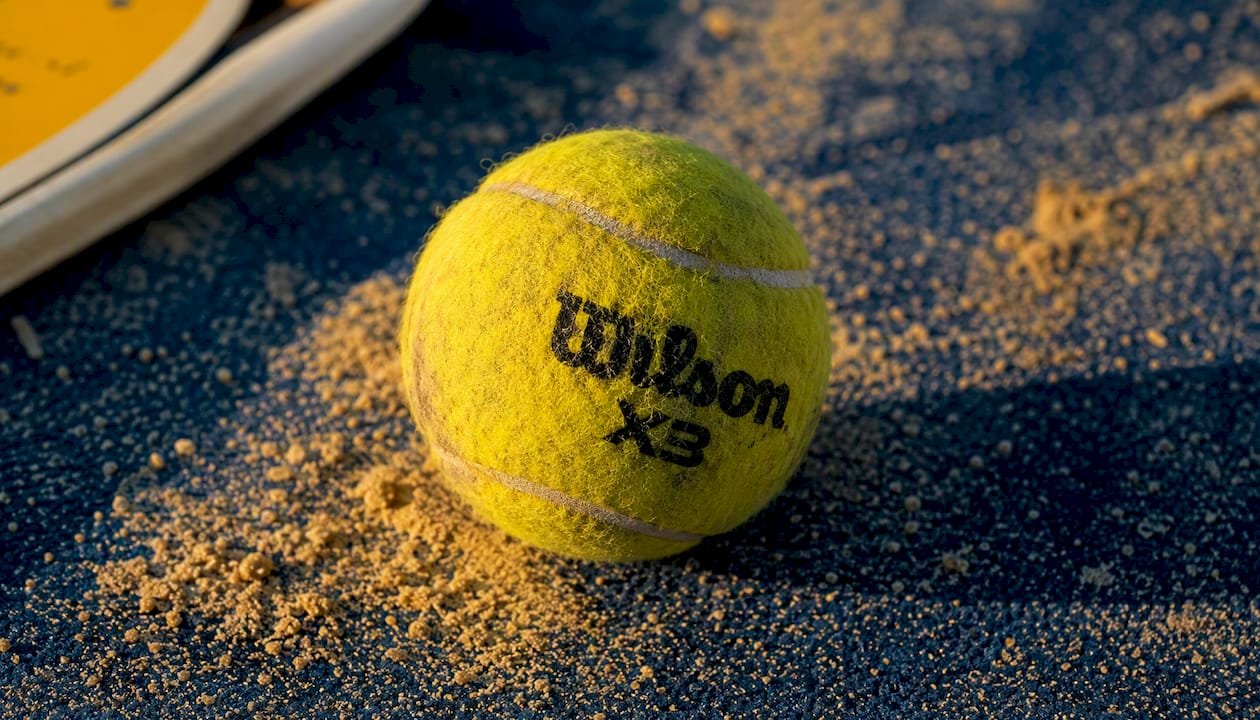
Wilson Premier Padel uses Duraweave felt that resists water and dirt absorption, giving it a livelier, more consistent bounce on outdoor courts. Intermediate-to-advanced players who play an attack-oriented style tend to prefer it over the standard X3.
Dunlop Pro Padel is the honest value pick. FIP-approved, built to last through a full week of social play, and priced lower than most premium options. For a recreational league that burns through cans quickly, it’s the most economical path to staying compliant.
Babolat Court suits training sessions where you want durability over peak performance. Babolat Padel Ace flips that priority toward speed and technical feel, making it the better choice for high-tempo drills and competitive practice.
adidas Speed RX plays fast without the harsh feel that some speed balls carry. Offensive players on slow courts get the pace they need without sacrificing touch on volleys.
NOX Pro Titanium earns its place through batch-to-batch consistency. If you’ve ever opened a can expecting one thing and gotten another, you’ll understand why consistency matters in competition.
Tretorn Padel models are specifically recommended for indoor venues and heavy-air conditions where other balls lose their trajectory and feel. Not the first choice for outdoor hard courts, but genuinely useful in the right environment.
Bullpadel Gold and BullPadel Next Pro round out the Bullpadel lineup. Gold suits competitive club play; Next Pro offers a balanced performance-to-longevity ratio for players who want Bullpadel’s feel without the Bullpadel Premium Pro’s faster pressure drop.
How to choose the right padel ball for your court and goals
The right ball depends on four variables: where you play, how often, at what level, and what you’re willing to spend per session. Work through this checklist before you buy.
- Identify your court surface and speed. Outdoor concrete or artificial grass courts play differently than indoor glass-and-carpet setups. Fast courts favor normal-tempo balls; slow or heavy-air courts need a speed variant.
- Check your climate zone. High altitude makes balls feel faster; humid or seaside conditions slow and weight the ball down. Colorado players should look for lower-pressure or altitude-rated options. Florida and Gulf Coast players should default to a speed variant like Head Padel Pro S+ or Wilson X3 Speed.
- Match the ball to your use case. Match play needs FIP-approved pressurized cans. Drill baskets and ball machines are a different story: pressureless balls maintain bounce for months and cost far less per session than rotating fresh pressurized cans.
- Assess your play frequency. A casual weekend player can stretch a can across two or three sessions. A club coach running four hours of clinics daily needs a rotation plan and bulk purchasing to stay cost-effective.
- Confirm FIP approval before buying. If you play in any sanctioned league or plan to, FIP approval is non-negotiable. It ensures standardized size, weight, and bounce specs across every can.
- Buy in bulk when you can. Buying 3–4 cans or a 24-can box reduces per-can cost and solves the problem of cans aging after opening. Sealed cans stored correctly retain their characteristics far longer than repeatedly opened singles.
Questions to ask your club or retailer: Does this can carry the FIP approval mark? What’s the lot/seal date? What’s the return policy on unopened cans?
Red flags when buying online: no FIP label visible in product photos, prices significantly below market rate (often signals counterfeit or expired stock), photos showing dented or unsealed cans.
Pro Tip: Store sealed cans in a cool, dry place away from direct sunlight. Heat accelerates pressure loss even in factory-sealed cans. Re-pressurizing gadgets exist, but they don’t restore felt quality — the right answer is buying the right ball and rotating cans on a sensible schedule.
How long do padel balls actually last? Durability and lifecycle explained
The honest answer: pressurized padel balls lose meaningful bounce faster than most players expect. Under intensive competitive play, tournament-grade characteristics can degrade within a few hours of use. That’s not a flaw in any specific brand; it’s the physics of a pressurized rubber core meeting repeated high-velocity impacts.
What credible club testing measures: bounce height consistency across a set number of impacts, felt wear rate, and internal pressure retention over time. The most useful metric for buyers is how many sessions a can delivers before the ball noticeably floats or plays dead.
Durability snapshot: Wilson X3 and Dunlop Pro Padel are the most-cited durability leaders in 2026 roundups. Wilson X3’s abrasion-resistant felt extends playable life beyond most competitors; Dunlop Pro Padel prioritizes longevity for regular weekly use.
Durability profiles by model:
- Highest durability: Wilson X3, Wilson X3 Speed, Dunlop Pro Padel — best for clubs, coaches, and high-frequency players
- High durability, performance-balanced: Head Padel Pro+, Wilson Premier Padel, Babolat Court, BullPadel Next Pro — suitable for regular competitive play with reasonable can rotation
- Performance-first, shorter lifespan: Bullpadel Premium Pro, Babolat Padel Ace, adidas Speed RX — reserve for match days; rotate more frequently
For coaches running clinics or teams practicing daily, pressureless balls are the practical answer for basket and machine work. They don’t pressurize, so they don’t lose bounce the same way. Pair them with fresh pressurized cans for actual match practice and you cut your ball budget significantly without sacrificing quality where it counts. For athletic training drills that involve repetitive feeding, pressureless options extend the useful life of your equipment budget considerably.
Expected replacement timelines by usage profile:
- Casual player (1–2 sessions/week): one can lasts 2–3 sessions before noticeable pressure drop
- Weekly league player (3–4 sessions/week): rotate cans every 1–2 weeks
- Coach or clinic operator (daily use): plan for fresh cans every 2–3 days for match-quality play; use pressureless for drill volume
Where U.S. players can buy FIP-approved padel balls
The U.S. padel market has grown fast enough that FIP-approved stock is now accessible through multiple channels, but quality control varies. Here’s where to buy with confidence:
- Padelhip — First stop for U.S. buyers who want curated FIP-approved stock, bulk pack options (including 24-can Bullpadel Premium Pro packs), fast shipping, and authenticity guarantees. The selection covers the full range of brands covered in this guide.
- Amazon — Wide selection, but verify the seller carefully. Stick to fulfilled-by-Amazon listings from established sporting goods sellers. Check product photos for FIP labeling before purchasing.
- Specialty padel and racket sports retailers — Stores like Tennis Warehouse, Total Padel, and regional padel clubs with pro shops typically stock FIP-approved cans and can advise on local court conditions.
- Club pro shops — Many U.S. padel clubs now carry balls directly. Convenient for single-can purchases, though bulk pricing is rarely available.
Pack-size recommendations:
- Casual player: buy 3–4 cans at a time; single-can purchases cost more per ball and don’t solve the aging problem
- Club or league team: a 12–24 can box cuts per-can cost and keeps a rotation going without constant reordering
- Coach or clinic operator: bulk boxes of 24+ are the only economical option for daily use; bulk discounts often save meaningfully compared to buying cans individually
Authenticity check: look for the FIP approval mark printed on the can, a visible lot/seal date, and a sealed pressure tab. If a deal looks too good, it usually is.
Key Takeaways
The best padel balls for U.S. players in 2026 are FIP-approved, matched to your court’s climate and speed, and bought in bulk to cut per-session cost.
| Point | Details |
|---|---|
| Match play: use FIP-approved cans | Head Padel Pro+ is the all-round default; Bullpadel Premium Pro for fast-tempo tournament days. |
| Climate drives variant choice | Humid/coastal courts need speed variants (Head Pro S+, Wilson X3 Speed); high-altitude courts need lower-pressure options. |
| Durability leaders for heavy use | Wilson X3 and Dunlop Pro Padel last longest; use pressureless balls for machines and drill baskets. |
| Buy in bulk to save money | Buying multiple cans at once reduces the per-can cost compared to single purchases; sealed cans stored cool retain pressure longer. |
| Padelhip for U.S. bulk stock | Padelhip stocks FIP-approved cans with bulk pack options, fast shipping, and easy returns for U.S. buyers. |
The ball choice most players get wrong
Most players spend real money on a premium racket and then grab whatever ball is cheapest at the front desk. That’s backwards. The ball is the only piece of equipment that touches every single shot, and a dead or wrong-pressure can will flatten your game faster than a mismatched racket ever could.
The bigger blind spot is climate. U.S. padel is played across wildly different conditions: Denver at altitude, Miami in August humidity, indoor courts in Chicago in January. A ball that plays perfectly in one of those environments can feel completely wrong in another. Speed variants aren’t a pro-only luxury; they’re a practical tool for any player whose court runs slow because of heavy air or humidity.
The other thing worth saying plainly: FIP approval matters even if you never enter a sanctioned tournament. The spec exists because it produces a consistent, predictable ball. Playing with off-spec or expired cans trains your instincts around a ball that doesn’t behave the way the game is designed to play. That’s a real cost to your development, not just a rule-compliance issue.
Buy the right ball for your conditions, rotate cans on a sensible schedule, and keep a speed variant in your bag for the days the court feels heavy. That’s the whole system.
Stock up on the right cans at Padelhip
Padelhip carries FIP-approved padel balls from every major brand covered in this guide, including bulk 24-can packs of Bullpadel Premium Pro for clubs and coaches who need reliable stock without constant reordering. Every can ships from authenticated inventory with fast delivery and easy returns, so you’re not gambling on expired or counterfeit stock from an unknown seller. Whether you need a single sleeve for your next match or a full-season supply for your club, browse the full ball selection and complete your kit at Padelhip.
Useful sources and further reading
For players who want to verify specs, check FIP standards, or dig deeper into the technical side of ball selection:
- Best Padel Balls 2026: The Complete US Buying Guide | Padel Browser — used for brand-by-brand durability and best-for data throughout this article
- Best Padel Balls 2026: Complete Buying Guide | Padeli — cross-reference for price bands, entrant selection, and bulk-buy guidance
- Padel ball according to the International Padel Federation | Manzasport — primary source for altitude and climate effects on ball performance
- Why do tennis and padel balls lose their pressure and their bounce | Bounce Sports — used for pressureless ball guidance and bulk storage recommendations
- Differences between padel and tennis balls | Playtomic — explains why tennis balls are unsuitable for padel and what FIP specs actually govern
- Best Padel Balls 2026: Complete Buyer’s Guide | Tennis Mindset — additional buying guidance and brand comparisons
When buying for competition, always confirm the FIP approval mark is printed on the can itself, not just listed in the product description.
Recommended
- Best Padel Shoes for 2026: Top Picks and Buying Guide
- Best Advanced Padel Rackets in 2026: Top Picks for Power, Control, and Spin
- Best Beginner Padel Rackets: Top Picks for 2026
- Adidas Arrow Hit Hexagon Cup 2026 Padel Racket | Diamond Shape Carbon Power Racket for Advanced & Competitive Players – Your online Padel store- Padel Hip-Premier padel shop