

The Best Padel Caps for Sun Protection, Sweat Control, and Fit

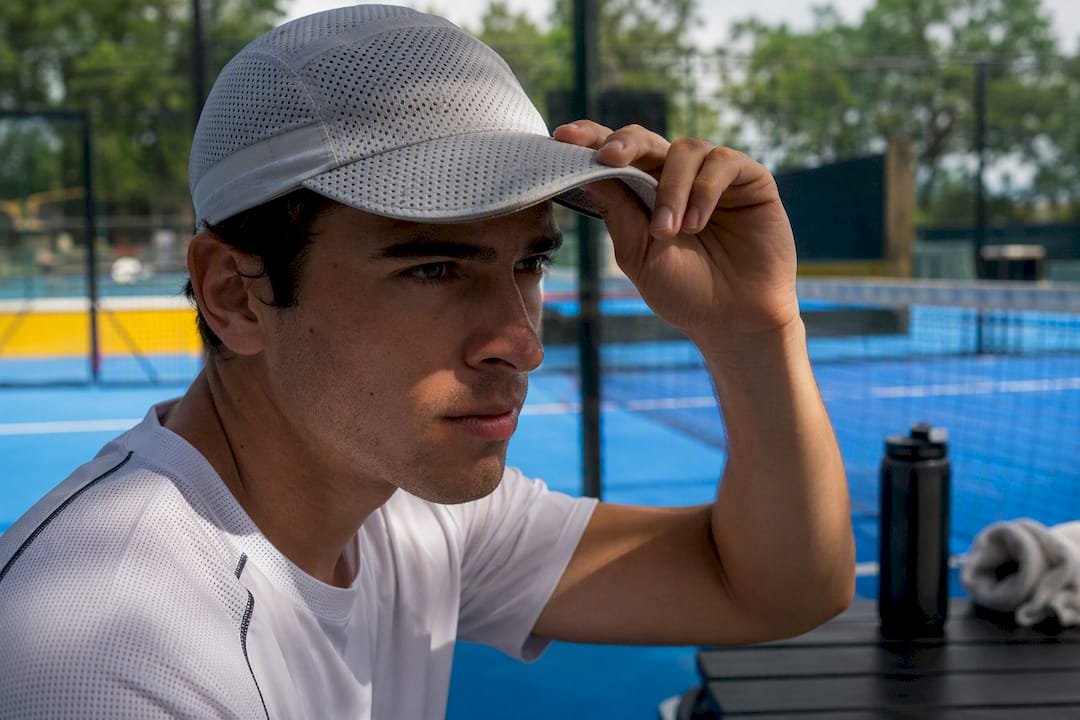
Most padel players do best with a lightweight, breathable performance cap or a low-profile visor built around a moisture-wicking sweatband. That combination handles the two things that ruin a match fastest: sun in your eyes and sweat blurring your vision on a smash. Padelhip stocks performance-ready caps designed for exactly this, with sizing details and return policies that make buying online low-risk.
What to look for before you add one to cart:
- A curved or medium-depth brim that blocks glare without cutting off your view of lobs
- Mesh or perforated side panels for airflow during long rallies
- An adjustable strap or elastic back panel for a fit that stays put through sprints
- A sweatband liner that actually wicks, not just cotton that soaks through in ten minutes
Key Takeaways
The right padel cap combines a moisture-wicking sweatband, breathable mesh panels, and a brim shaped for your typical court and sun conditions.
| Point | Details |
|---|---|
| Prioritize function over looks | Choose a lightweight, breathable cap or visor with a wicking sweatband over a purely fashion pick. |
| Check materials on the label | Look for polyester wicking blends, mesh panels, or recycled polyester before comparing price. |
| Match style to conditions | Visors suit hot outdoor play; full caps work better indoors or under overhead glare. |
| Confirm fit and returns before buying | Verify strap type, ponytail compatibility, and the retailer’s exchange policy first. |
| Shop Padelhip for curated, authentic picks | Padelhip offers padel-specific caps with clear sizing, authenticity guarantees, and easy returns. |
Table of Contents
- What Makes a Padel Cap Different From a Regular Cap
- Materials, Ventilation and Fit: What to Check on the Label
- Styles and Use Cases: Cap Types for Different Players and Conditions
- Washing and Storing Your Cap Without Ruining It
- Quick Buying Checklist: How to Pick the Right Padel Cap in Under Two Minutes
- Price Range and Value Considerations
- Recommended Brands and What Reviews Tend to Say
- How Durable Is a Padel Cap, and What Affects It
- Wearing a Cap With Sunglasses, Headbands, or Other Padel Gear
- Choosing a Cap for Hot Summer Matches vs. Cooler Conditions
- Where to Buy and a Straightforward Option From Padelhip
- Sources
What Makes a Padel Cap Different From a Regular Cap
A padel cap is not a baseball cap you happened to grab for sport. The brim geometry, the panel construction, and the sweatband material are all built around the specific demands of a fast indoor or outdoor court sport with constant overhead shots.
Brim stiffness matters more than people expect. A soft, floppy brim droops when you look up to track a lob or a bandeja, and that half-second of lost visibility can cost you the point. Structured caps hold their curve through a full match; unstructured ones start sagging by the second set, especially in humid conditions.
Low-profile constructions also reduce wind drag and stop the cap from shifting during quick direction changes at the net. That’s a bigger deal in padel than in most racquet sports, since players cover shorter, sharper distances and change direction constantly.
Padel cap features that separate performance models from casual ones:
- Reinforced brim inserts that resist curling in heat or rain
- Six-panel or five-panel builds that hold shape better than unstructured dad-hat styles
- A sweatband positioned low enough to intercept sweat before it reaches your eyebrows
Retailers selling into the padel category consistently list sun protection, breathable panels, and sweat-wicking materials as the core specs buyers should compare, not styling details.
Materials, Ventilation and Fit: What to Check on the Label
Product pages throw a lot of technical language at you, but only a handful of terms actually matter when you’re comparing padel headwear.
Start with the fabric. Polyester wicking blends dominate performance caps because they pull moisture away from your scalp and dry fast between sets. Some brands now use recycled polyester in that same blend, which performs identically but appeals if sustainability factors into your buying decision. Stretch panels around the crown help the cap mold to your head shape rather than sitting rigid.
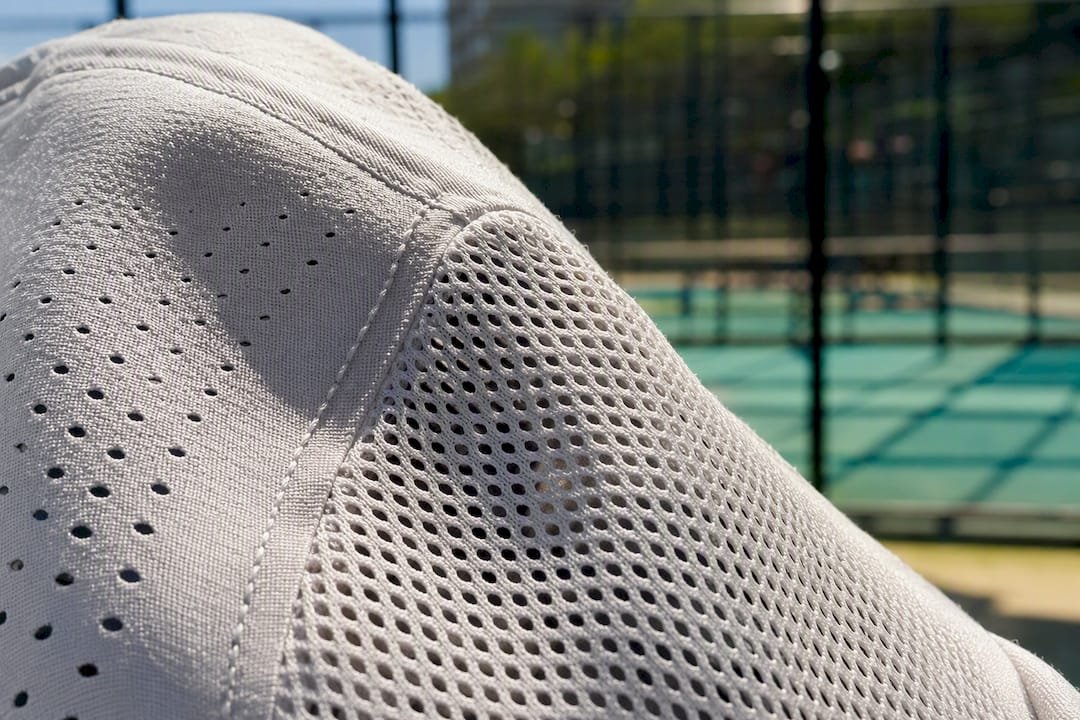
Ventilation shows up as mesh inserts, laser-cut perforations along the crown, or breathable eyelets near the temples. A typical performance build uses polyester blends paired with mesh panels specifically to balance moisture control with airflow, which is why so many caps marketed for padel look similar structurally even across different brands.
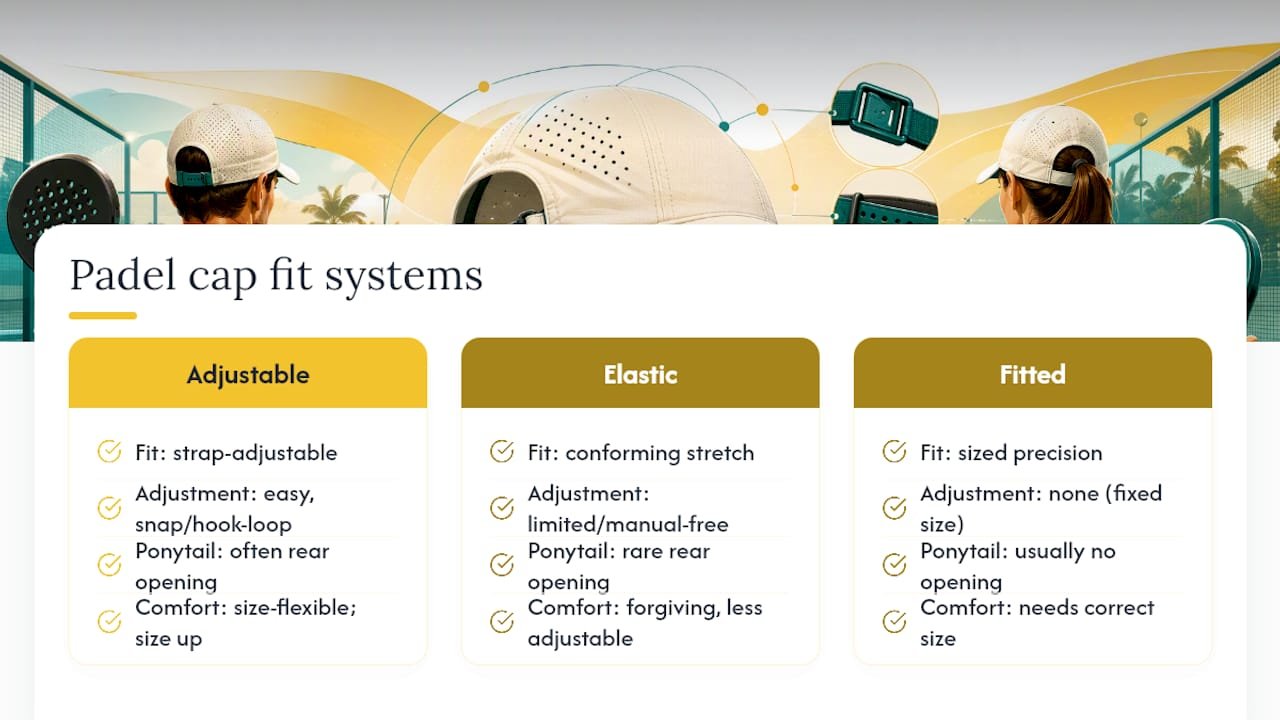
Fit systems break into three camps: adjustable back straps (snapback or hook-and-loop), elastic fabric inserts that stretch to fit, and fitted caps sized like shoes. If you play with a ponytail, check for a rear opening or notch. Not every cap has one, and it’s a common return reason.
Pro Tip: If you’re between sizes, size up slightly and rely on the strap adjustment rather than sizing down for a snug feel. A too-tight cap causes headaches during long matches faster than almost anything else in your kit.
Styles and Use Cases: Cap Types for Different Players and Conditions
Not every match calls for the same headwear. Here’s how to match style to situation:
- Visors for hot, sunny outdoor courts. They offer excellent airflow across the crown and enough brim to shade your eyes, which is why players frequently choose visors for summer outdoor sessions where heat buildup matters more than full head coverage.
- Full caps for indoor courts or overhead sun. A closed crown blocks glare from skylights or high sun angles better than an open-top visor.
- Five-panel and trucker styles for casual play or travel to and from the club. They lean toward fashion but still function fine for a warmup or a social match.
- Fitted caps for players who want zero shift during aggressive lateral movement, though they sacrifice the quick-adjust convenience of a strap.
- Lighter colors like white or light gray to reduce heat absorption, while darker brims cut glare more effectively underneath.
Washing and Storing Your Cap Without Ruining It
Sweat and sunscreen build up fast, and a poorly cared-for cap loses its shape long before the fabric wears out.
Hand wash or use a mesh laundry bag on a gentle cycle, then air-dry the cap on a rounded surface (a bowl or a cap form works) to preserve the brim’s curve. Skip bleach entirely, since it degrades the UV-protective coating on the fabric. Spot-clean the sweatband with a damp cloth after heavy sweat sessions rather than waiting for a full wash. Replace the cap once the brim loses stiffness, the color fades noticeably (a sign UV protection has degraded too), or odor persists after washing. Store it on a hat rack or hook, never crushed at the bottom of a bag.
Quick Buying Checklist: How to Pick the Right Padel Cap in Under Two Minutes
Standing in front of a product page trying to decide? Run through this in order:
- Check the material spec first. Look for polyester wicking blends or recycled polyester with mesh panels rather than plain cotton.
- Confirm the closure type. Adjustable strap, elastic fit, or fitted, and whether there’s a ponytail opening if you need one.
- Look for explicit sweatband or moisture-wicking callouts. If the listing doesn’t mention it, assume it’s a basic sweatband at best.
- Match visor depth to your typical court and sun angle. Full brim for high overhead sun, shorter visor for maximum airflow in humid heat.
- Verify the size-exchange and returns policy before checkout. This is the step people skip and regret, especially since clear shipping and return information reduces buyer anxiety on any online apparel purchase, caps included.
Adjustable closures with elastic inserts tend to strike the best balance between secure fit and comfort for players who move constantly, so lean toward that closure type if you’re unsure.
Price Range and Value Considerations
Padel caps are available in a range from budget models to premium performance options, with prices varying depending on brand and features. Major sports apparel brands list cap pricing with tax included and cross-sport categorization, treating caps as both functional gear and everyday wear, which explains why pricing varies more than you’d expect for what looks like a simple product.
The cheapest caps usually cut corners on the sweatband liner first. That’s the part that touches your skin most and wears out fastest, so a $15 cap with a thin cotton band often needs replacing within a season of regular play. Mid-range caps in the $25 to $35 band typically deliver genuine moisture-wicking fabric, reinforced brims, and better stitching at the panel seams, which is where most durability problems start.
Spending more doesn’t always buy better on-court performance. Some higher-priced caps are priced for brand recognition rather than added function, so read the spec sheet rather than the price tag. A $40 cap with the same polyester blend and mesh panels as a $22 cap isn’t giving you anything extra for match play, even if it looks sharper off court.
If you’re outfitting a full kit alongside a racket and shoes, treat the cap as a small percentage of your total spend. It’s not worth stretching your budget on headwear if it means compromising on footwear or your racket, both of which affect your game more directly.
Recommended Brands and What Reviews Tend to Say
Brands with dedicated padel lines, rather than caps borrowed from tennis or running collections, tend to fit and perform more consistently for on-court use. Product ranges from established racquet-sport brands typically separate visors, full caps, and junior sizing into distinct categories, which makes it easier to shop by use case instead of guessing whether a given model suits match play.
When reading customer feedback on any padel retailer, pay attention to three recurring themes: delivery speed, ease of returns, and whether the product matches its description. Review platforms for padel-specific retailers show that returns, shipping, and product authenticity come up more often than complaints about the gear itself. That tells you the bigger risk in buying a cap online isn’t picking the wrong style. It’s buying from a retailer that makes fixing a mistake difficult.
Look for brands that publish detailed specs (fabric composition, panel count, closure type) rather than vague marketing copy. A product page that tells you exactly what you’re getting is a better predictor of satisfaction than star ratings alone, since ratings rarely separate complaints about shipping from complaints about the actual cap.
How Durable Is a Padel Cap, and What Affects It
A well-built performance cap should last one to two full seasons of regular play before the brim, fabric, or sweatband show real wear. Construction quality comes down to a few specific factors: panel stitching density, brim material, and whether the manufacturer used a genuine wicking fabric or a cheaper polyester blend that just feels similar off the shelf.
Six-panel construction generally holds its shape longer than five-panel or unstructured builds, because the extra seam adds structural support around the crown. Reinforced brim inserts, usually a stiffer plastic or cardboard-composite core, resist curling and softening far better than a single-layer fabric brim, especially if you sweat heavily or play in humid climates.
The sweatband is usually the first failure point. Even on a well-made cap, that inner band absorbs the most moisture and friction, and it can degrade faster than the outer shell. If a cap’s brim still looks structurally sound but the band has gone thin or smells persistently, that’s a fit and hygiene issue more than a full-cap failure. Some players extend a cap’s life by simply monitoring the band and washing more frequently once they notice buildup.
Cheap caps tend to fail at the seams first, particularly where the brim meets the crown. That stress point takes constant flexing every time you put the cap on or adjust the strap, and low-stitch-count construction gives out there before anywhere else.
Wearing a Cap With Sunglasses, Headbands, or Other Padel Gear
Most padel caps pair fine with sunglasses, but brim depth and curve affect how well the two sit together. A deep, tightly curved brim can push wraparound sunglasses down toward your nose or create a gap where sun sneaks through above the lens line. Flatter or shallower brims tend to leave more room for glasses to sit naturally.
If you wear a headband under your cap for extra sweat control, check that the cap’s fit system has enough give to accommodate it. Elastic-back caps handle this better than rigid, snap-adjustable ones, since the stretch fabric flexes around the added bulk instead of sitting uncomfortably tight.
Padel doesn’t require helmets, so compatibility concerns there are minimal compared to sports like cricket or hockey. The more common gear conflict is between cap brim and racket bag habits: tossing a structured cap into a crowded bag alongside a racket and shoes is one of the fastest ways to crush the brim out of shape. If you’re already organizing a full kit, a padel backpack with a dedicated compartment keeps a cap’s shape intact alongside your racket and shoes.
Choosing a Cap for Hot Summer Matches vs. Cooler Conditions
Summer outdoor play calls for maximum ventilation. Visors or mesh-heavy caps in lighter colors keep your head cooler and reduce the sweat buildup that a fully enclosed crown traps against your scalp. Anyone booking regular outdoor court time in peak summer should prioritize breathability over brim coverage, since heat management affects performance more than an extra inch of shade.
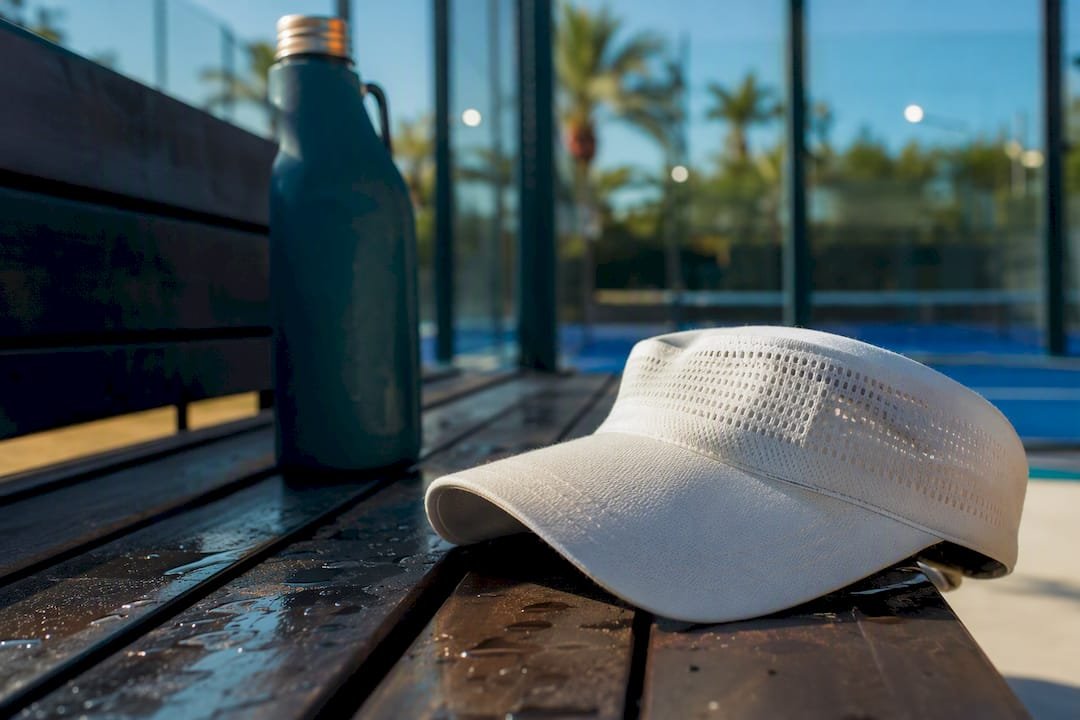
Cooler weather and indoor courts shift the priority. A full crown cap traps a small amount of warmth, which some players prefer during early-morning or evening sessions when temperatures drop. Indoor courts also often have overhead lighting or skylights that create glare from above rather than the low, direct sun angle you get outdoors, so a full brim tends to serve indoor players better than a visor.
Transitional seasons, spring and fall in most climates, are where a mid-weight cap with moderate ventilation earns its keep. You don’t need the maximum airflow of a peak-summer visor, but you also don’t want a heavier construction that traps sweat once the temperature climbs mid-match. If you only plan to own one cap, this middle ground is the safest single purchase, since it performs adequately across the widest range of conditions rather than excelling in just one.
Author Perspective: A Short Note on Choosing Caps for Real Play
Players consistently rank fit, sweat control, and sun protection above styling, and for good reason. Padelhip’s curated cap selection and straightforward returns take the guesswork out of that decision. One switch from a floppy-brim casual cap to a structured, low-profile style noticeably improved sightlines on overhead shots. That difference shows up the first time you track a lob without squinting.
— Serena
Where to Buy and a Straightforward Option From Padelhip
Buying padel gear online only works if the retailer backs it up with real specs and a returns process that doesn’t punish you for guessing wrong on size. That’s the gap Padelhip is built to close for cap shoppers.
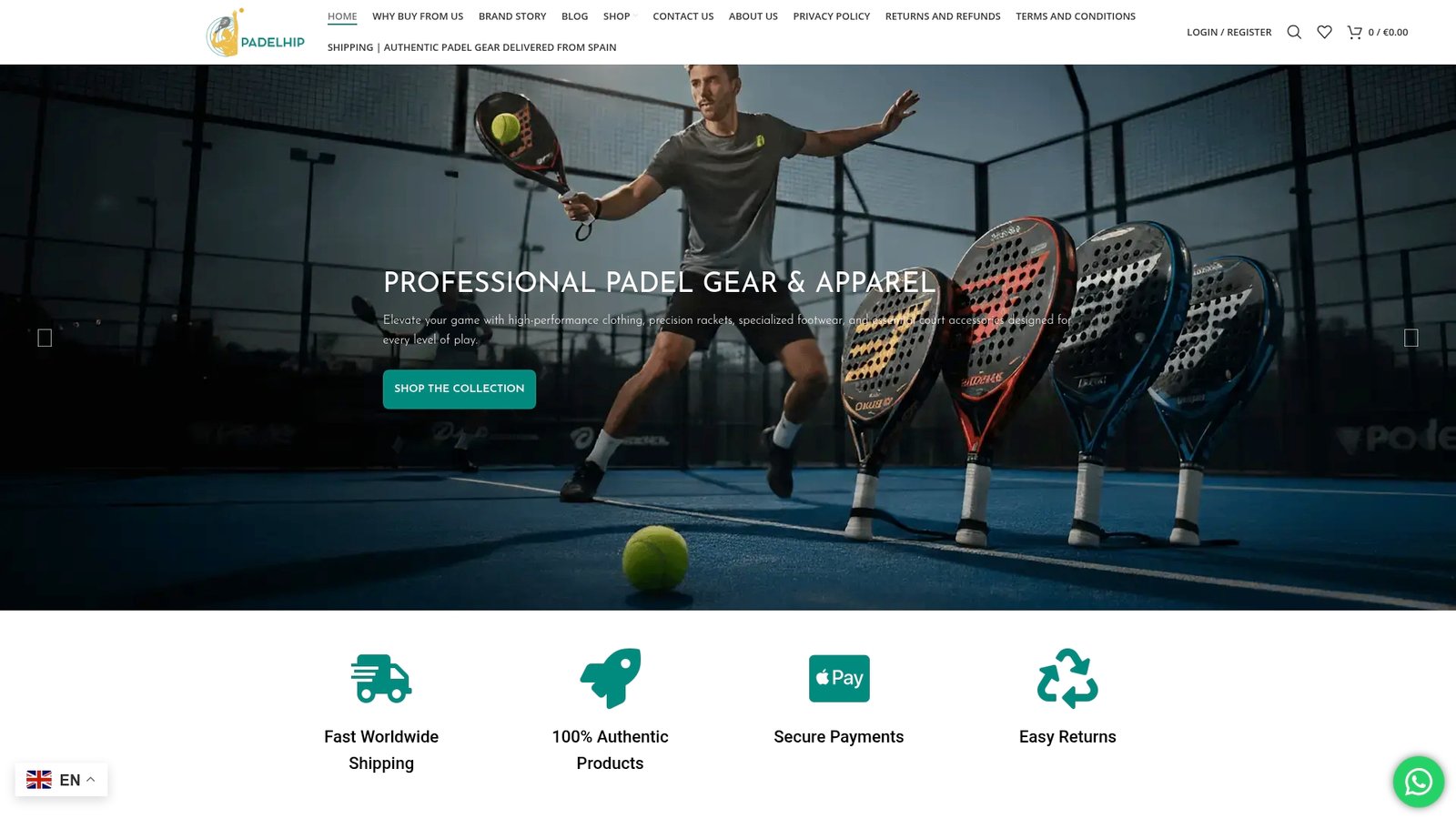
Padelhip curates its cap selection specifically for padel play, not repurposed running or golf headwear, so what you see on the product page reflects what actually performs on court. Every listing carries an authenticity guarantee, and the shipping and returns policy spells out delivery timelines and exchange terms upfront, so a sizing miss doesn’t turn into a hassle. If you’re building out a full kit rather than just a cap, the site’s racket pricing guide is worth a look before you check out.
Head to the Padelhip cap collection to compare current styles, check the size guide against your head measurements, and confirm shipping timelines to your location before you add one to your cart.
Sources
- NOX Padel Caps | Protection and Style on the Court
- Padel Caps | Babolat Official Website
- ASICS ASICS PADEL 5 PANEL CAP
Recommended
- Pro White/Pink Padel sunglasses – Your online Padel store- Padel Hip-Premier padel shop
- Aca Padel BackPack – Style, Comfort, and Functionality for Every Padel Player – Your online Padel store- Padel Hip-Premier padel shop
- Padelhip -Your Padel Store
- Padel Shoes vs Tennis Shoes: What Padel Players Need