

How Long Do Padel Balls Last: Match Counts and Care Tips

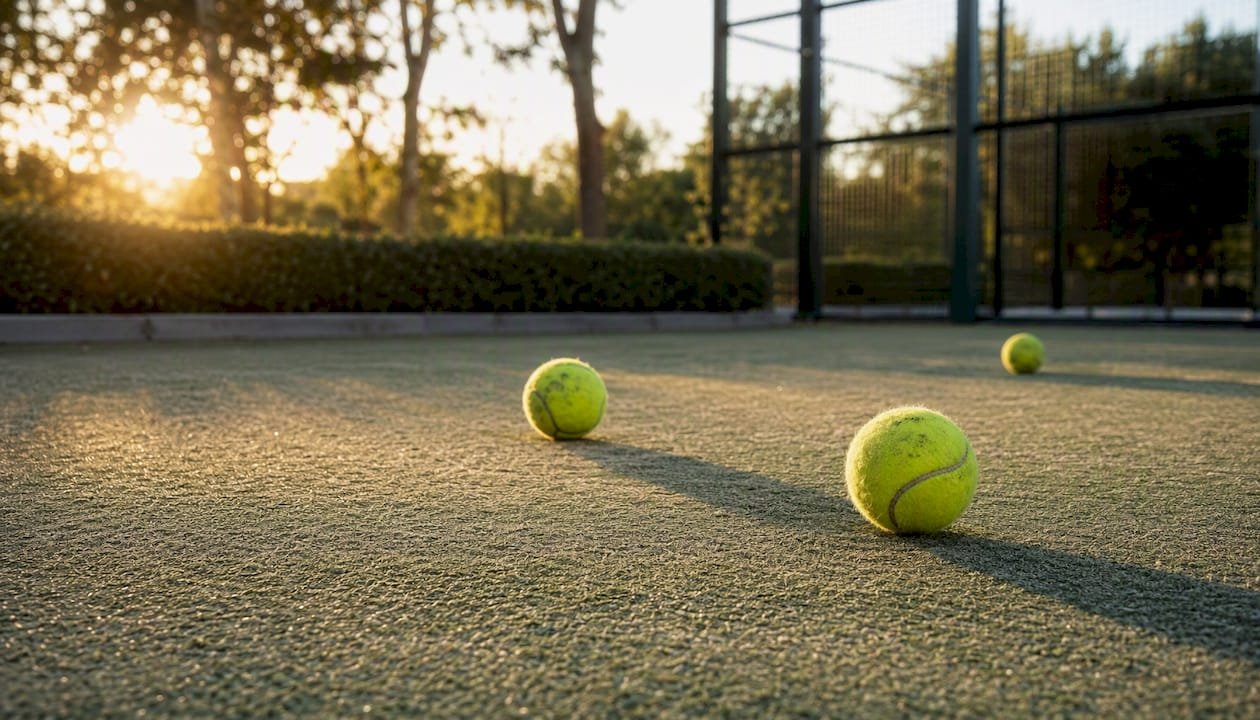
Recreational padel balls typically stay playable for 2–4 matches without a pressurizer. Store them in a pressurizer after every session and that window stretches to roughly 6–10 matches for many players. Competitive players burning through two or three sessions a week will hit the lower end of both ranges faster.
Quick exceptions to the baseline:
- Wet courts or rain play accelerates felt wear and pressure loss significantly
- Heavy hitters and hard servers compress balls faster, cutting life closer to 2 matches
- Abrasive artificial turf shreds felt and drops bounce noticeably by match 3
- Pressureless balls sidestep pressure loss entirely but feel different and suit training more than match play
Key Takeaways
Padel balls last 2–4 matches without a pressurizer for most recreational players, and a pressurizer used consistently from the first session can extend that to 6–10 matches.
| Point | Details |
|---|---|
| Baseline lifespan | Recreational balls last 2–4 matches; with a pressurizer, many players reach 6–10 matches. |
| Track sessions, not months | Count matches or hours played, not calendar days, to know when to replace. |
| Top performance-killer | Wet courts and abrasive outdoor turf shorten ball life faster than hitting power alone. |
| Simple on-court test | Drop from shoulder height or run the two-lob test before every match to check bounce. |
| Padelhip recommendation | Open a fresh can for match nights; use a pressurizer and rotate two cans for training sessions. |
Table of Contents
- How long do padel balls last by player type?
- What shortens padel ball life the fastest
- Pressurized vs pressureless balls: which lasts longer?
- How to tell when a padel ball needs replacing
- How to extend padel ball life with storage and pressurizers
- Replacement schedule: simple rules to follow
- Choosing balls that balance durability and playability
- Stock up on balls, pressurizers, and accessories at Padelhip
- Sources
How long do padel balls last by player type?
The honest answer is that calendar months are a poor clock for ball life. Session-count tracking gives you a far more practical signal, because a ball played twice a week for a month has aged very differently from one played twice in that same period.
Here are practical replacement windows based on play frequency and intensity:
| Player type | Typical sessions per week | Replace balls after |
|---|---|---|
| Casual (1–2x/week, social) | 1–2 | 3–5 matches |
| Club regular (2–3x/week, drills + matches) | 2–3 | 2–4 matches |
| Competitive (3+/week, match intensity) | 3+ | 1–3 matches |
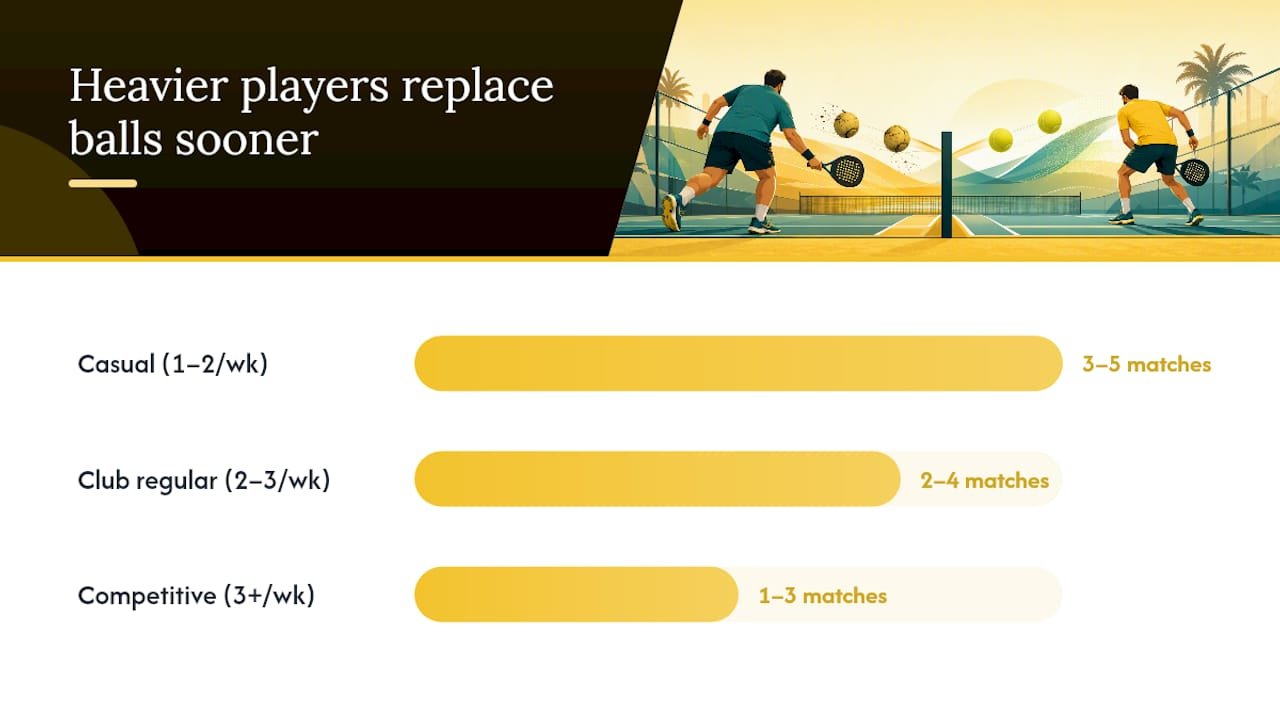
Under normal conditions, a padel ball lasts 3–5 matches, but abrasive surfaces and heavy play shorten that. A casual player on an indoor court with a smooth carpet surface will get more life than a competitive player grinding on rough outdoor turf.
A few practical notes on reading the table:
- One “match” here means a full set or a 45–60 minute session at match intensity
- Drill sessions count too — repetitive hard hitting compresses balls faster than rallying
- Indoor courts with carpet surfaces are gentler on felt than outdoor artificial grass
What shortens padel ball life the fastest
Most ball degradation comes down to a handful of controllable habits. Knowing which ones hit hardest lets you fix the right things first.
- Moisture and wet conditions. Water soaks into the felt, adds weight, and accelerates pressure loss. Playing in rain or on a damp court is one of the fastest ways to kill a can of balls.
- Abrasive artificial turf. Rough outdoor surfaces act like sandpaper on felt. After just a few sessions on coarse turf, the felt thins and the ball loses its grip on the court surface.
- Heavy hitting and hard serves. Every hard impact compresses the rubber core. Players with powerful groundstrokes or aggressive serves will notice bounce degradation sooner than social players.
- Leaving cans open between sessions. Once a pressurized can is opened, pressure starts escaping. Balls left loose in a bag or on a shelf lose pressure faster than balls stored in a sealed pressurizer.
- Heat and UV exposure. A bag sitting in a hot car or direct sunlight speeds up rubber degradation. The internal pressure drops faster in heat, even without play.
- Bag storage without a pressurizer. Loose balls rattling around in a padel bag pick up moisture, get compressed by gear, and lose pressure steadily.
Pro Tip: The single highest-impact habit change is this: never leave open balls loose in a hot bag. After every session, seal them in a pressurizer or return them to their original can with the lid on. That one step alone can add one to two extra matches of usable life.
Pressurized vs pressureless balls: which lasts longer?
These two ball types solve the durability problem in opposite ways, and choosing the right one depends on what you’re actually trying to get out of a session.
Pressurized balls are the standard for match play. They have a hollow rubber core filled with pressurized gas, which gives them the lively bounce and responsive feel most players expect. The trade-off is that the pressure leaks over time, whether you play with them or not. Expect roughly 2–5 matches of solid performance before the bounce starts feeling noticeably flat.
Pressureless balls have a solid or thicker rubber core with no internal pressure. They don’t lose bounce the same way because there’s no gas to escape. The felt still wears down, but the core stays consistent for months of use. The catch is the feel: they’re heavier and less lively off the strings, which makes them better for drilling and repetitive practice than for match play where feel and spin response matter.
Use-case breakdown:
- Match play and club nights: pressurized, replaced regularly
- Drilling and serving practice: pressureless or older pressurized balls
- Open-court hire or beginner sessions: pressureless holds up better to mixed-intensity use
- Training with consistent feedback: pressurized with a pressurizer, replaced before they go fully dead
How to tell when a padel ball needs replacing
You don’t need a pressure gauge. A two-minute on-court check tells you everything.
- Two-lob test. Hit two lobs from the same spot with the same swing. If you need noticeably more effort to reach the same depth, pressure has dropped. This practical on-court check is one of the clearest signals available without any equipment.
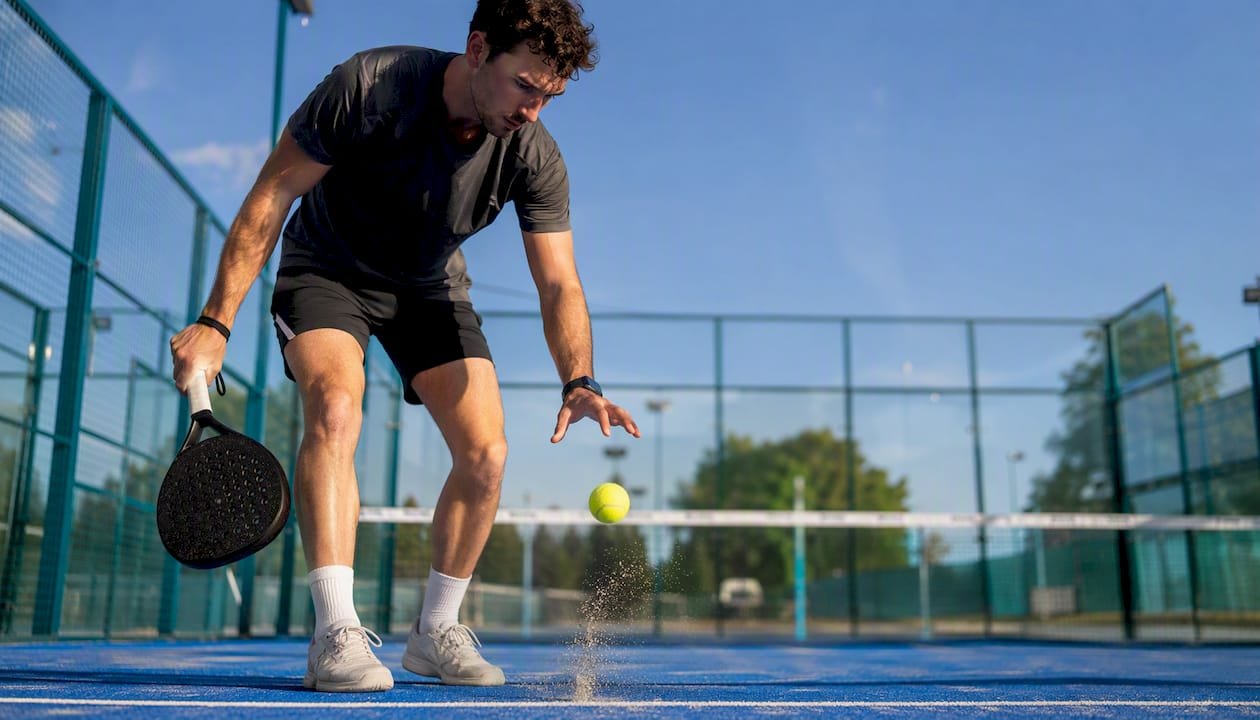
- Drop-from-shoulder bounce. Hold the ball at shoulder height and drop it onto the court. A healthy ball bounces back to roughly hip height. A dead ball barely clears your knee.
- Feel on volleys and serves. A worn ball feels softer and heavier on contact. If your volleys feel sluggish or your serves lack pop, the ball is likely the cause.
- Visual felt check. Run your fingers across the felt. Heavy fraying, bald patches, or a matted surface means the ball is past its useful life for match play.
- Compression squeeze. Squeeze the ball firmly. A pressurized ball in good condition resists with a firm, consistent feel. A dead ball gives too easily.
Watch for: inconsistent bounce between balls in the same can, a heavier feel on groundstrokes, or felt that looks worn thin on one side.
Pro Tip: Run this same five-step check before every match, not just when something feels off. It takes under two minutes and turns replacement into a habit rather than a reactive decision. You’ll stop mid-match complaints about dead balls almost entirely.
How to extend padel ball life with storage and pressurizers
A few consistent habits make a real difference in how many sessions you get from each can.
- Seal the can immediately after play. Return balls to their original pressurized can or a ball pressurizer right after the session ends. Every hour they sit open, pressure escapes.
- Use a pressurizer from the first session. A pressurizer works best as a stabilizer, not a revival tool. It slows pressure loss and can restore some bounce if used before the ball goes fully flat. Waiting until balls are dead reduces its effectiveness significantly.
- Store in a cool, dry place. A shelf in a climate-controlled room beats a car trunk or an outdoor bag every time. Heat accelerates rubber degradation even without play.
- Rotate two cans. Keep two cans in rotation rather than playing one set of balls until they die. Alternating cans reduces per-session wear on each ball and gives the pressurizer more time to work between sessions.
- Avoid play in rain or on wet courts. If conditions are wet, use older balls you’re already planning to replace. Save your fresh can for dry conditions.
- Budget the cost vs savings. A quality pressurizer costs $20–$40 and can double the usable life of a can of balls. At $8–$15 per can, the math pays off within a few months for anyone playing twice a week or more.
Replacement schedule: simple rules to follow
Keep these rules on hand and replacement decisions become automatic.
- Official matches and competitive nights: open a fresh can. No exceptions. The bounce consistency matters too much to risk it on a ball that’s already seen two sessions.
- Recreational match play: replace after 3–5 matches, or sooner if the two-lob test shows pressure drop.
- Club drills and training: balls can run 4–6 hours of drill time before they need replacing, provided you’re using a pressurizer between sessions.
- Indoor courts (carpet/smooth surface): you can push toward the upper end of any range. Smooth surfaces are gentler on felt.
- Outdoor abrasive turf: cut every range by one match. Felt wears faster and bounce becomes inconsistent sooner.
- Warm-up and serving practice: this is the right job for balls that have already passed their match-play window. Keep a separate bag pocket for “practice only” balls rather than throwing them out.
- Hour-based rule for frequent players: if you’re tracking hours rather than matches, replace match-play balls after roughly 4–6 hours of intense play. For drilling, 6–8 hours is a reasonable ceiling before feedback becomes unreliable.
Choosing balls that balance durability and playability
Not all padel balls are built the same, and the label tells you more than most players realize.
Look for these on the packaging before you buy:
- “Match” vs “Training” designation. Match balls use higher-quality felt and tighter pressure tolerances. Training balls sacrifice some feel for durability. Don’t use training balls for competitive nights if consistent bounce matters to you.
- Felt weight and construction. Heavier felt lasts longer on abrasive surfaces. Lighter felt gives better feel but wears faster outdoors.
- Pressurized vs pressureless label. Pressurized for match play and club sessions; pressureless for high-volume drilling or beginner courts.
- Intended surface. Some balls are built for indoor carpet; others handle outdoor turf better. Using an indoor ball on rough outdoor turf burns through felt in one session.
Simple buying checklist:
- What surface do you play on most often?
- How many sessions per week do you play?
- Are you buying for match nights, drilling, or both?
- Do you own a pressurizer? If not, factor that cost into your ball budget.
On price: a slightly more expensive match ball that lasts five sessions often costs less per session than a budget ball that dies after two. For anyone playing at different budget levels, the same logic applies to rackets and gear generally.
The routine that actually works, from Padelhip’s perspective
The players who get the most out of every can of balls share one habit: they treat ball care like racket care. Rotate two cans, pressurize after every session without fail, and open a fresh can for match nights. That’s it. No complicated system.
What most players underestimate is how much surface and weather conditions matter compared to how hard they hit. A social player on rough outdoor turf will burn through balls faster than a competitive player on indoor carpet. Matching your ball choice to your court surface, and keeping a pressurizer in your bag alongside your padel backpack, is the single most cost-effective equipment habit in the sport.
Stock up on balls, pressurizers, and accessories at Padelhip
Fresh balls and the right storage gear are the cheapest performance upgrade in padel. Padelhip stocks a full range of padel balls, pressurizers, and accessories, all shipped fast with easy returns, so you’re never stuck playing a dead can because you forgot to reorder.
Whether you need a match-ready can for tonight or a pressurizer to stretch your current stock further, browse the full padel store at Padelhip and find what fits your game. Authentic gear, competitive pricing, and worldwide shipping mean your next order arrives before your next match night.
Sources
- How to Choose Padel Balls: Pressure, Durability, and Performance
- Tennis and Padel ball Pressurizer – Bounce Tube
- How Long Does a Padel Racket Last? What to Expect | Bounce