

Best Intermediate Padel Rackets in 2026: Top Picks Ranked

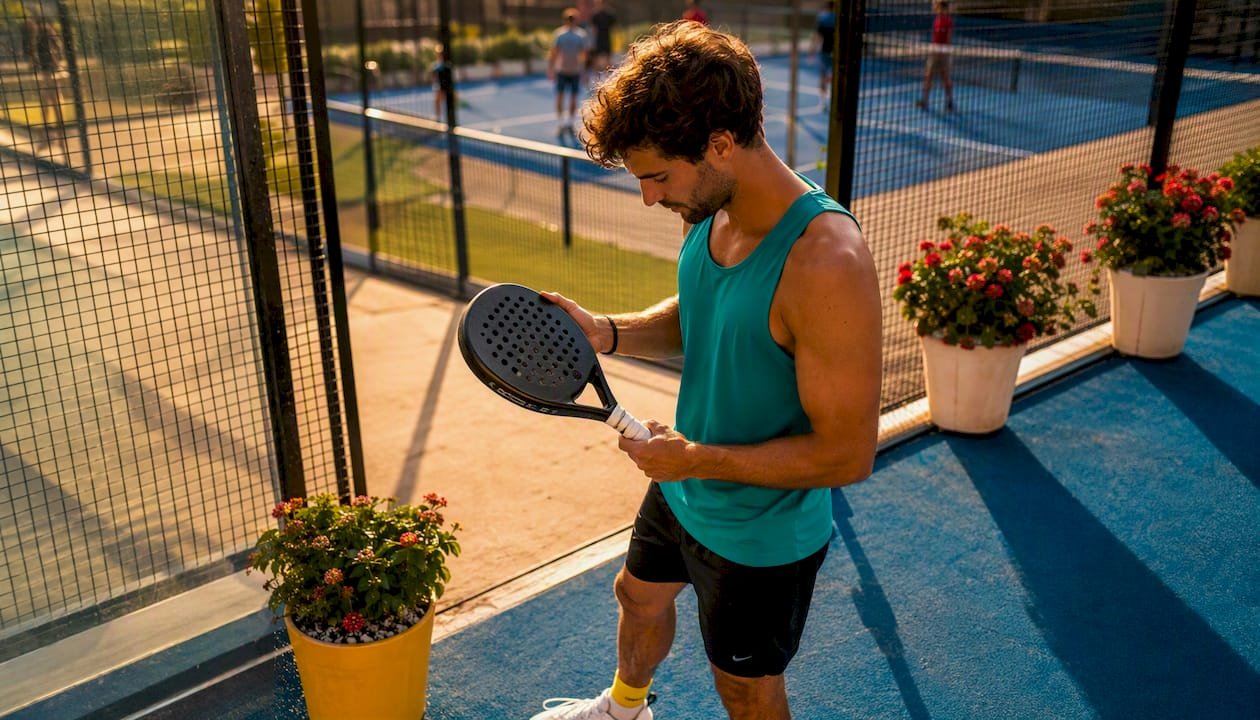
The four rackets worth your time right now: the Bullpadel Vertex Advance 26 for players pushing toward advanced baseline play, the Bullpadel Vertex 04 Comfort 2025 for frequent players who need forgiveness without losing pace, the Babolat Air Vert for net-first players who want fast hands, and the Royal Padel EFE Extreme 2026 for strong intermediates ready to generate serious power. All four are available through Padelhip with worldwide shipping to the US.
Quick picks by playstyle:
- Bullpadel Vertex Advance 26 — diamond shape, carbon frame, high power output; best if your contact is consistent and you want a clear step toward advanced play
- Bullpadel Vertex 04 Comfort 2025 — softer construction, forgiving feel; best if you play 3+ times per week and your arm needs a break
- Babolat Air Vert — lightweight teardrop, fast swing speed; best if you live at the net and volleys are your weapon
- Royal Padel EFE Extreme 2026 — carbon fiber, dense EVA core, diamond shape; best if you already generate your own pace and want a tournament-grade frame
Not sure which fits you? Demo before you buy. Most club pros will let you borrow a racket for a session, and Padelhip’s return policy gives you a safety net when ordering online.
Pro Tip: If you’re still making frequent unforced errors from the back of the court, a beginner-to-intermediate frame will serve you better than any of these picks. These rackets reward consistent technique.
Table of Contents
- What are the best intermediate padel rackets compared side by side?
- How do you choose the right intermediate racket for your game?
- Which racket specs match your playstyle?
- What do balance, core hardness, and shape actually mean on court?
- How do you demo a racket before you buy it?
- What should you check on warranty, shipping, and US availability?
- Key Takeaways
- The spec that most intermediate players get wrong
- Find your next racket at Padelhip
- Useful sources
What are the best intermediate padel rackets compared side by side?
Reviewer consensus separates intermediate frames into sub-tiers: pure INT, INT/ADV (intermediate leaning toward advanced), and BEG/INT (beginner-to-intermediate bridge). The four models below span that range, which is exactly why they make a useful shortlist rather than a one-size answer.
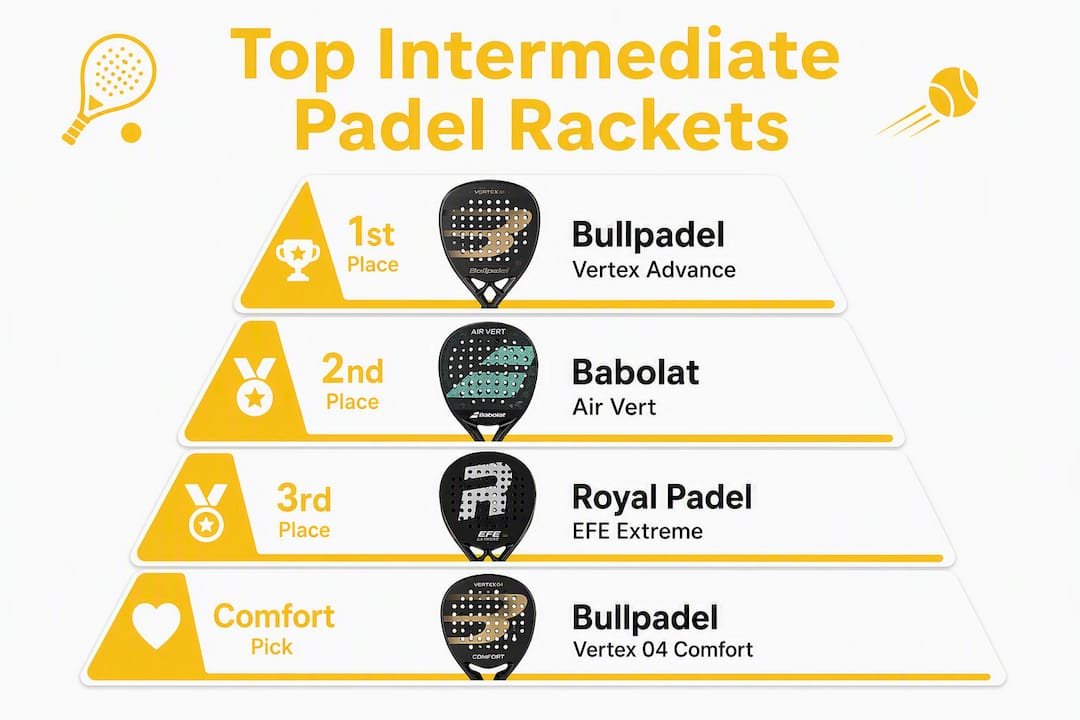
| Model | Best For | Shape | Balance | Core | Primary Material | Price / Value | Power vs. Control |
|---|---|---|---|---|---|---|---|
| Bullpadel Vertex Advance 26 | Consistent baseline players moving toward advanced | Diamond | Head-heavy | EVA medium/hard | Carbon | Mid-high | Power-forward |
| Bullpadel Vertex 04 Comfort 2025 | Frequent players needing arm comfort | Diamond | Even/slight head-heavy | EVA soft/medium | Carbon + mixed | Mid | Balanced, comfort-tuned |
| Babolat Air Vert | Net players, fast reactions, wrist-friendly | Teardrop | Head-light/even | EVA soft | Carbon | Mid | Control-forward, fast |
| Royal Padel EFE Extreme 2026 | INT/ADV transition, self-generating power | Diamond | Head-heavy | EVA hard/dense | Carbon fiber | Mid-high | Maximum power |
Bullpadel Vertex Advance 26
The Vertex Advance 26 sits at the INT/ADV boundary. Its carbon frame delivers genuine power output without the punishing stiffness of a full pro-level layup, which means timing errors hurt less than they would on an 18K carbon competition frame. The diamond shape pushes the sweet spot higher, rewarding overhead smashes and aggressive baseline drives. If your groundstrokes are already landing where you aim them, this racket will add pace without asking you to rebuild your swing.
Pros: strong power ceiling, carbon construction, clear upgrade path. Cons: less forgiving on off-center hits than a teardrop, and the head-heavy balance takes adjustment at the net.
Bullpadel Vertex 04 Comfort 2026
The Comfort variant of the Vertex line makes one deliberate trade: it softens the construction to protect your arm across long sessions. Some intermediate models intentionally use softer cores or mixed face materials to blend power and comfort, and this is a textbook example. Available as a pack through Padelhip, it suits players who are on court three or more times a week and feel fatigue or mild elbow sensitivity with stiffer frames.
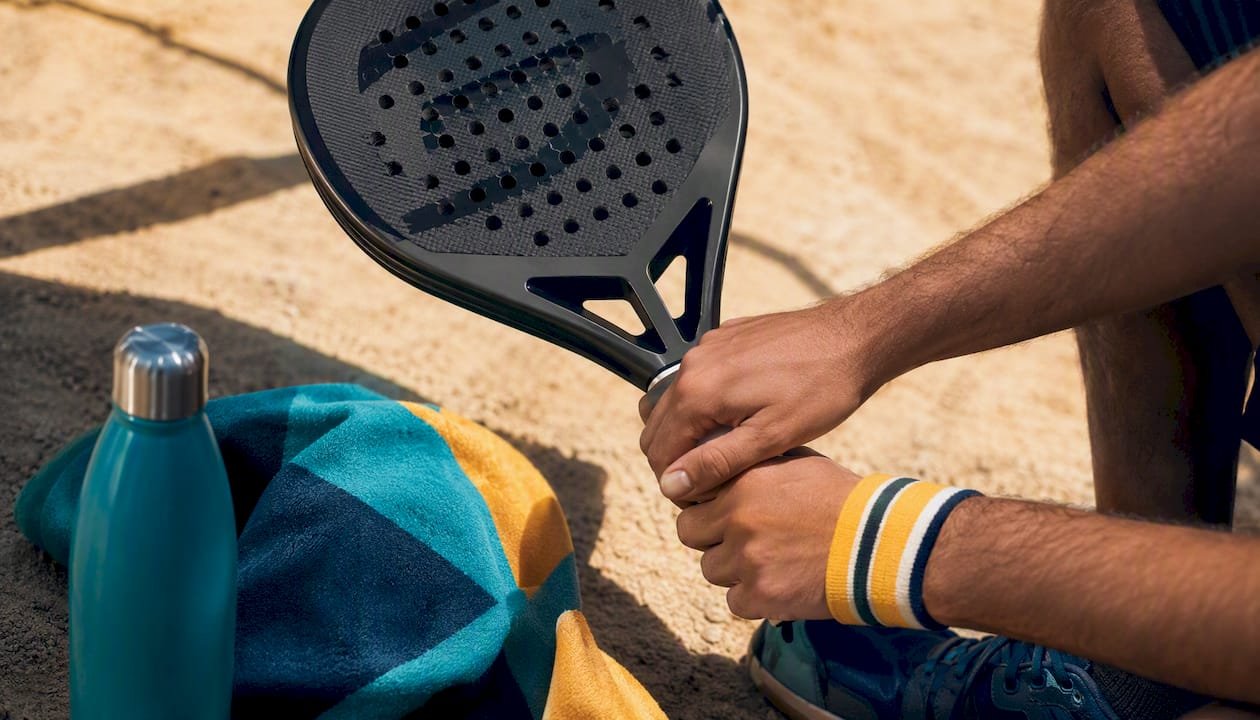
Pros: arm-friendly, forgiving sweet spot, good pace retention. Cons: slightly less feedback than the full-power Vertex variants, which can mask technique flaws.
Babolat Air Vert
Low mass and a teardrop sweet spot make the Air Vert the fastest-swinging option on this list. Teardrop shapes are the most common recommendation for intermediates because they expand the usable hitting zone while keeping offensive range accessible. At the net, the Air Vert feels almost effortless to redirect. The trade-off is that you won’t generate the same raw overhead power as a diamond frame, so it suits players whose game is built on placement and reaction speed rather than pace.
Pros: exceptional maneuverability, easy wrist work, forgiving sweet spot. Cons: lower power ceiling on smashes, not the right tool if you’re developing a big baseline game.
Royal Padel EFE Extreme 2026
This is the most demanding frame on the list. Carbon fiber construction and a dense EVA core maximize energy return on contact, which translates to serious pace when your technique is clean. It belongs in the hands of a strong intermediate who already generates their own power and wants a frame that won’t cap it. Think of it as the racket you grow into rather than the one you start with at this level.
Pros: tournament-grade power, stable carbon frame, excellent on overheads. Cons: amplifies timing errors, less forgiving than the other three picks, and the stiff feel can contribute to arm fatigue if your technique is still developing.
Pro Tip: Reviewer databases note that a good intermediate racket must work across all phases of a match, not just one shot. If you’re buying primarily for smash power, you’re probably shopping in the wrong tier.
How do you choose the right intermediate racket for your game?
Weight and balance come first. Shape second. Core hardness and face material last. That order matters because weight and balance affect every single shot you play, while shape and core only become decisive once you’ve narrowed the field.
Priority checklist
Work through these questions before you look at a spec sheet:
- How often do you play? Three or more times per week means arm comfort should rank higher. The Vertex 04 Comfort 2025 is built for that load.
- Where do you win most of your points? Net players should weight maneuverability over power. Baseline players can afford a heavier, more head-loaded frame.
- Do you have any arm sensitivity or elbow history? If yes, softer EVA cores and mixed face materials are non-negotiable.
- Are your errors mostly timing errors or placement errors? Timing errors suggest you need a more forgiving frame. Placement errors suggest you need better technique, not a new racket.
- What’s your grip size? Most adult frames come in L1–L3. A grip that’s too thin causes over-gripping; too thick kills wrist snap.
Must-check specs
- Weight: Optimal weight balances maneuverability and overhead power for intermediate players
- Balance: head-light for net-first players, even for all-rounders, head-heavy only if your baseline game is your primary weapon
- Core type: soft EVA for comfort and control, medium EVA for the all-round blend, hard EVA for maximum power transfer
- Grip size: confirm before ordering online; most manufacturers publish grip circumference in millimeters
Pro Tip: Before buying a new racket, try adding small gram weights to your current frame’s handle for one session. If the extra weight toward the grip improves your control, you may want a more head-light frame. If it feels sluggish, your current balance is probably fine. This test can save you a purchase.
Which racket specs match your playstyle?
The three practical buckets for intermediate players map to different spec priorities. Knowing which bucket you’re in cuts the shortlist from four to two almost immediately.
| Playstyle | Top 3 Specs to Prioritize | Recommended Frame Type | Shortlist Match |
|---|---|---|---|
| Defensive / control | Round or teardrop, head-light/even balance, soft EVA core | Forgiving teardrop with mixed materials | Babolat Air Vert |
| Balanced / all-round | Teardrop or hybrid, even balance, medium EVA core | All-round teardrop or comfort diamond | Vertex 04 Comfort 2025 |
| Attacking / baseline | Diamond, head-heavy balance, medium/hard EVA core | Power diamond with carbon frame | Vertex Advance 26 or EFE Extreme 2026 |
A few things worth noting about this mapping:
- Defensive players benefit most from a lighter frame they can swing repeatably for a full session. A heavier model with marginal extra power will cost them more points than it wins.
- Balanced players are the majority at the intermediate level. The Vertex 04 Comfort 2025 was designed for exactly this profile: enough pace to attack, enough forgiveness to defend.
- Attacking players need to be honest about whether their technique is ready for a stiff diamond. The EFE Extreme 2026 rewards clean contact; it punishes everything else.
For a deeper look at how shape affects shot selection, Padelhip’s guide to racket shapes breaks down the geometry in practical terms.
What do balance, core hardness, and shape actually mean on court?
Spec sheets tell you the number. They don’t tell you what it feels like to play a bandeja at 4–4 in the third set.
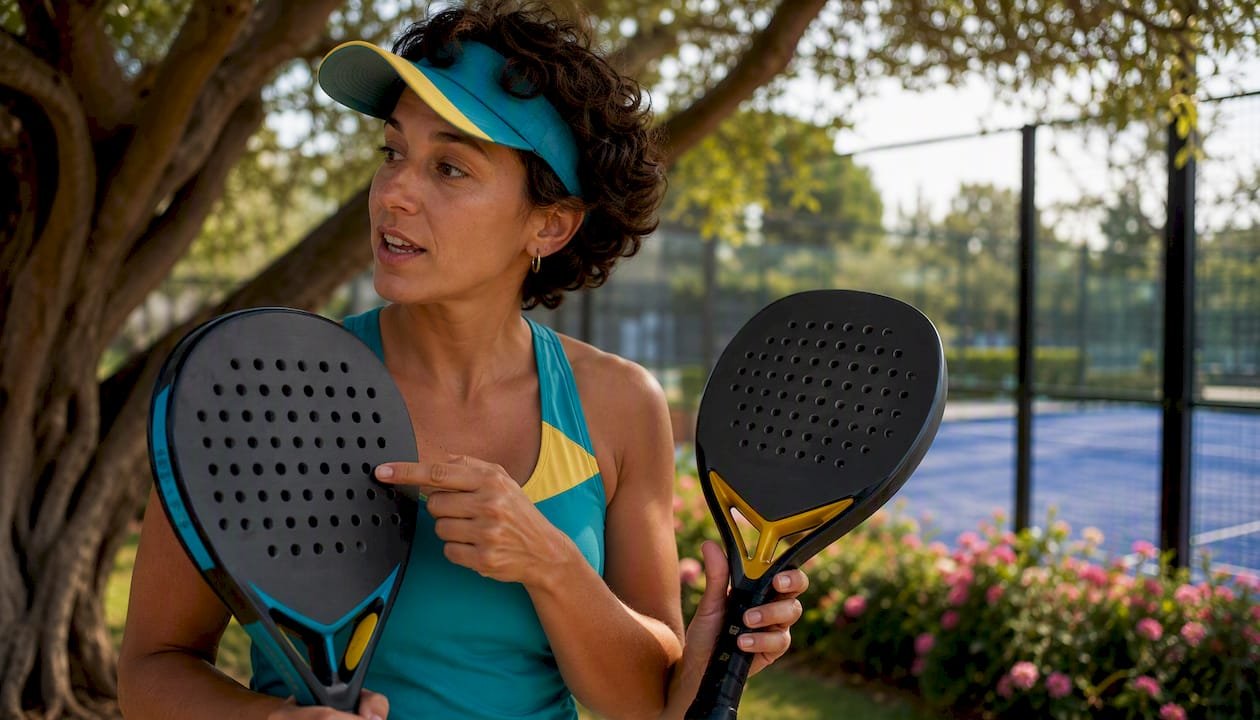
Weight is the most honest spec. A racket that’s too heavy for you will cause you to mishit late in a session when your arm is tired. A racket that’s too light won’t give you enough mass behind overheads. The 360–375 g range covers most intermediate players well.
Balance tells you where the mass sits. Head-heavy frames add power to smashes but slow your wrist at the net. Head-light frames are faster to redirect but ask more of your arm to generate pace. An even balance is the honest middle ground, and it’s where most all-round intermediate frames land.
Core hardness changes how the ball feels on contact. Soft EVA absorbs more energy, giving a cushioned feel and more dwell time for spin. Hard EVA returns energy faster, which means more pace but less margin for error. Medium-density EVA cores paired with carbon or hybrid faces are the most common configuration in top intermediate frames for exactly this reason.
Shape affects where the sweet spot sits. Round shapes put it low and central, which is forgiving but limits overhead punch. Diamond shapes push it high, which rewards aggressive play but shrinks the margin on off-center hits. Teardrop sits between them and is the most common recommendation for intermediates.
Face material changes spin and feedback. Carbon faces are stiffer and give sharper feedback. Fiberglass faces flex more, adding comfort and a slightly larger effective hitting zone. Mixed faces try to split the difference.
Pro Tip: Don’t trust a spec sheet’s “balance” description alone. Pick up the racket and hold it at the throat with two fingers. If it tips forward, it’s head-heavy regardless of what the label says. That two-second check tells you more than the marketing copy.
How do you demo a racket before you buy it?
A structured demo routine reveals what a spec sheet cannot. Reviewers consistently recommend a session-length test to assess fatigue, off-center forgiveness, and real maneuverability. Here’s a repeatable routine:
- Warm-up volleys (5 minutes): Stand at the net and hit soft volleys with a partner. You’re checking wrist comfort and how quickly you can redirect the face.
- Glass rallies (10 minutes): Play off the back glass. Note how the racket absorbs vibration on glass rebounds and whether the frame feels stable or twisty on off-center contact.
- Bandeja drills (5 minutes): Hit 20–30 bandejas from mid-court. This shot is where balance shows up most clearly. A head-heavy frame will feel late; a head-light frame will feel effortless.
- Overheads (5 minutes): Hit 15–20 smashes from the back. Check whether the frame gives you enough mass to finish the point or whether you’re muscling it.
- Full rally set (20–30 minutes): Play a real set. At the end, note arm comfort, any vibration in the elbow, and whether you were still swinging the same way in the final game as the first.
What to watch for:
- Off-center forgiveness: does the frame twist on mishits, or does it hold its line?
- Vibration: do you feel it in the wrist or elbow after overheads?
- Net maneuverability: can you get the face around quickly on fast exchanges?
- Post-session arm comfort: any tightness in the forearm or elbow is a red flag
If you’re buying online through Padelhip, check the shipping and returns page before ordering. Easy returns give you a practical fallback if the racket doesn’t translate from spec to feel.
Pro Tip: Tape 5 g of weight to the handle of any demo racket before your session. If the extra handle weight improves your control and reduces arm fatigue, you’ll know to look for a more head-light frame in your next purchase.
What should you check on warranty, shipping, and US availability?
Buying a European padel brand in the US adds a few practical steps that are worth confirming before you click purchase.
Warranty and returns:
- Confirm the warranty length and whether it covers manufacturing defects or only structural damage
- Check who pays return shipping; some retailers cover it, others don’t
- Look for a demo or try-on window; Padelhip’s easy returns policy gives you a fallback if the frame doesn’t suit your game
Shipping to the US:
- European padel brands ship to the US regularly, but delivery times vary; Padelhip ships worldwide and lists delivery estimates on its shipping page
- Customs duties on sporting goods imported to the US depend on the declared value and product category; confirm with the retailer whether duties are included in the listed price
- Stock availability for 2026 models can shift quickly; check the product page for current inventory before ordering
Durability expectations: With regular play at 2–3 sessions per week, most intermediate racket cores hold their best performance and response for 12–18 months before noticeable loss of firmness sets in; this is the typical benchmark for club-level use.
Trust signals to look for on any product page:
- Manufacturer weight and balance specs (not just marketing descriptions)
- Verified customer reviews with specific comments on feel and durability
- Clear grip size options
- Explicit return and warranty terms
- Stock location and estimated shipping time to your zip code
Key Takeaways
The strongest intermediate padel racket for most players is a teardrop or comfort diamond in the 360–375 g range with a medium EVA core, chosen to match playstyle before price.
| Point | Details |
|---|---|
| Weight range matters most | Target 360–375 g for the best balance of maneuverability and overhead power at the intermediate level. |
| Match shape to playstyle | Teardrop for net and all-round players; diamond only when your baseline technique is consistent. |
| Demo before committing | A 20–30 minute rally session reveals arm comfort and off-center forgiveness that spec sheets never show. |
| Durability benchmark | Expect 12–18 months of peak core performance at 2–3 sessions per week before noticeable softening. |
| Padelhip shortlist | All four picks — Vertex Advance 26, Vertex 04 Comfort 2025, Air Vert, and EFE Extreme 2026 — are available at Padelhip with easy returns and worldwide shipping. |
The spec that most intermediate players get wrong
Most players at the intermediate level shop for power. They look at diamond shapes, carbon frames, and hard EVA cores and assume that’s what separates them from the players beating them. It usually isn’t.
The gap at this level is almost always consistency and placement, not raw pace. A racket that lets you swing the same way on point 40 as point 1 will win you more matches than one that adds 10% more smash speed but tires your arm by the second set. That’s why the Vertex 04 Comfort 2025 and the Air Vert belong on this list alongside the more powerful options. They’re not compromises. They’re correct choices for the majority of intermediate players.
The EFE Extreme 2026 and the Vertex Advance 26 are genuinely excellent frames, but they ask something of you. If your contact isn’t yet consistent, a stiff carbon diamond will expose that faster than it fixes it. Pro-level stiffness amplifies timing errors; that’s a feature for a pro and a liability for a developing player.
The honest advice: buy the racket that fits your current game, not the one that fits the game you imagine you’ll have in six months. You can always choose the right athletic gear for where you actually are, and upgrade when the frame genuinely becomes the limiting factor.
Find your next racket at Padelhip
Padelhip carries all four shortlisted rackets with 100% authentic products, easy returns, and worldwide shipping from Spain. That combination matters when you’re buying a European brand in the US without a local demo option. You get the real frame, not a gray-market copy, and a clear return path if it doesn’t suit your game.
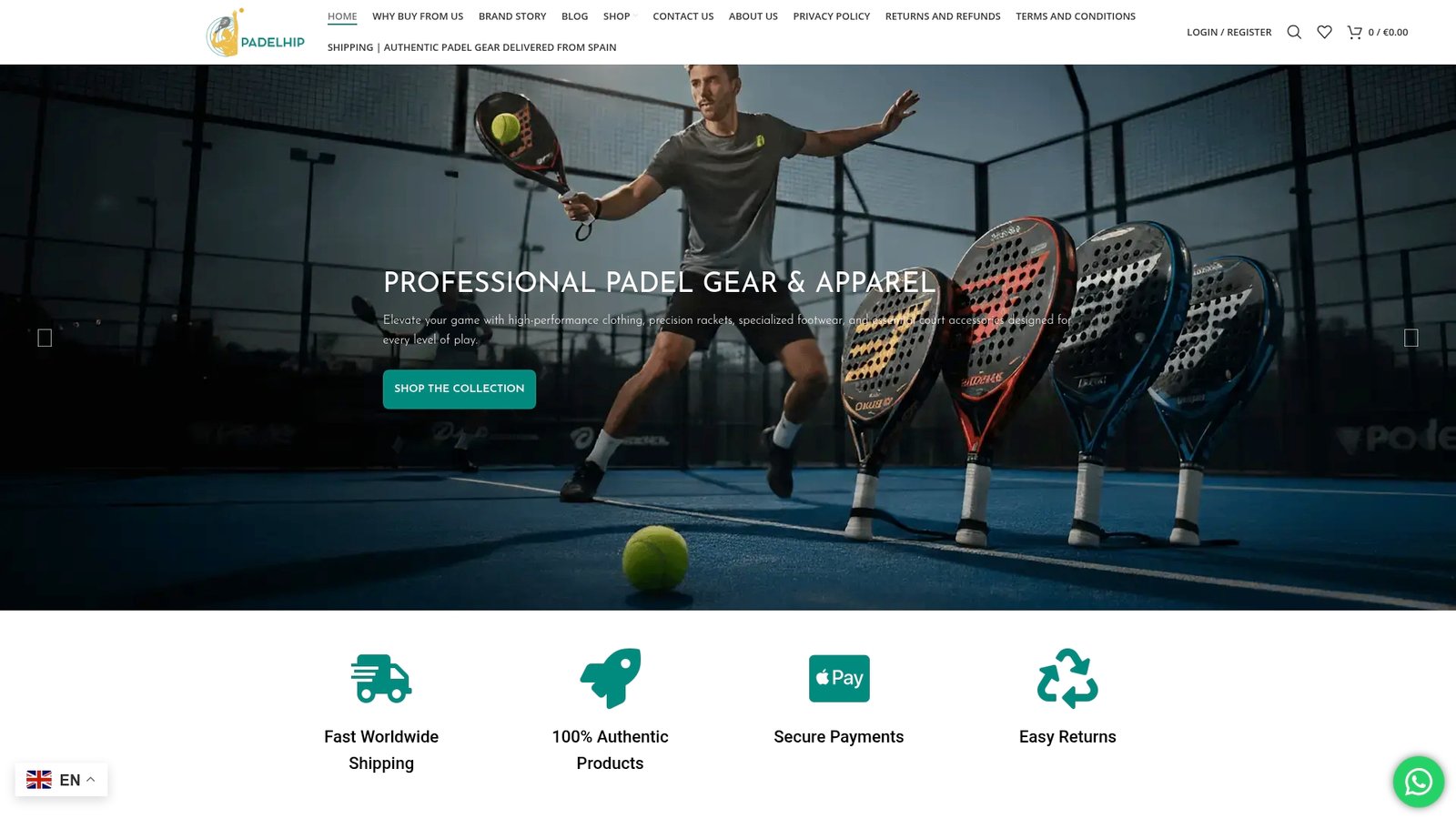
The Bullpadel Vertex Advance 26 and Babolat Air Vert are both in stock with full spec listings, verified reviews, and grip size options. The Vertex 04 Comfort 2025 pack includes a bundle option for players who want to pick up accessories at the same time. Shipping details, delivery estimates, and return terms are all on the Padelhip store page. If you have questions about sizing or want a recommendation based on your playstyle, contact Padelhip’s customer support team directly before ordering.
Useful sources
The following resources shaped the recommendations and specs in this article. Check manufacturer product pages for the latest weight and balance updates, as 2026 model specs can change between production runs.
- PadelVerdict — Best Padel Racket for Intermediate Players 2026: ranked roundup with sub-tier breakdowns (pure INT, INT/ADV, BEG/INT) and reviewer consensus picks
- Padel.how — Best Intermediate Padel Rackets: practical buying guidance focused on all-round usability and demo methodology
- PadelSetup — Best Padel Rackets for Intermediate Players 2026: weight range benchmarks and durability expectations for club-level use
- PadelGuide — Best Padel Rackets for Intermediate Players: core and face material trade-offs across top intermediate models
- Padeli — Best Padel Rackets Intermediate 2026: shape frequency analysis and teardrop vs. diamond recommendations
Recommended
- Adidas Arrow Hit Hexagon Cup 2026 Padel Racket | Diamond Shape Carbon Power Racket for Advanced & Competitive Players – Your online Padel store- Padel Hip-Premier padel shop
- HEAD Radical Pro 2026 Padel Racket – High Stability Advanced Control Racquet for Intermediate and Competitive Players with Carbon Frame – Your online Padel store- Padel Hip-Premier padel shop
- Head Extreme Pro Arturo Coello Padel Racket | Pro-Level Diamond Carbon Power Racket for Advanced & Competitive Players 2026 – Your online Padel store- Padel Hip-Premier padel shop
- Bullpadel Vertex Advance 26 Padel Racket – Diamond Shape High Power Racquet with Carbon Frame for Intermediate and Advanced Players – Your online Padel store- Padel Hip-Premier padel shop