

Teardrop vs Diamond Padel: Which Shape Fits Your Game?

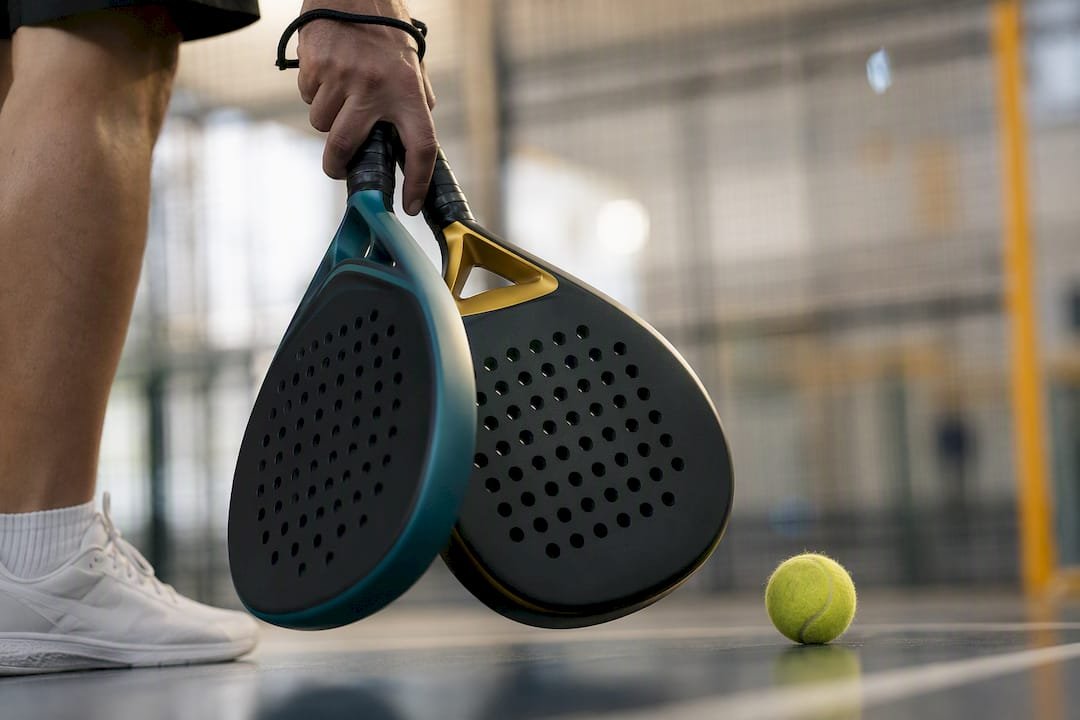
Teardrop is the safer default for most players. Diamond is a specialist tool for advanced attackers who connect clean on the smash most of the time. The reason comes down to where the sweet spot sits and how the balance point loads the head: teardrop splits power and forgiveness fairly evenly, while diamond pushes everything toward overhead power at the cost of margin for error.
Quick-check by player profile:
- New to intermediate, working on consistency: teardrop
- Advanced, smash lands clean 8 to 9 times out of 10: diamond
- Defensive player or recovering from elbow/shoulder issues: neither, look at round first
- Not sure which camp you’re in: teardrop, then reassess in a season
Table of Contents
- Diamond Shape: Geometry, Feel, and Who It’s Really For
- Teardrop Shape: Why It’s the Versatile Middle Ground
- Round Shape: The Control Baseline Worth Remembering
- Teardrop vs Diamond: Specs and Match Situations Side by Side
- How to Choose: A Buyer’s Checklist and Demo Rules
- Why These Recommendations Hold Up
- Does Racket Shape Change Your Grip Size?
- What Most Guides Get Wrong About Shape Advice
- Ready to Try Teardrop or Diamond for Yourself?
- Frequently Asked Questions
- Sources
Diamond Shape: Geometry, Feel, and Who It’s Really For
A diamond-shaped racket carries most of its mass up top, with the sweet spot sitting in the upper third of the face. That head-heavy build is exactly why diamonds hit harder overhead than any other shape. Balance points typically run 275 to 290 mm, often paired with a firmer EVA core that adds pop but also adds vibration through the arm.
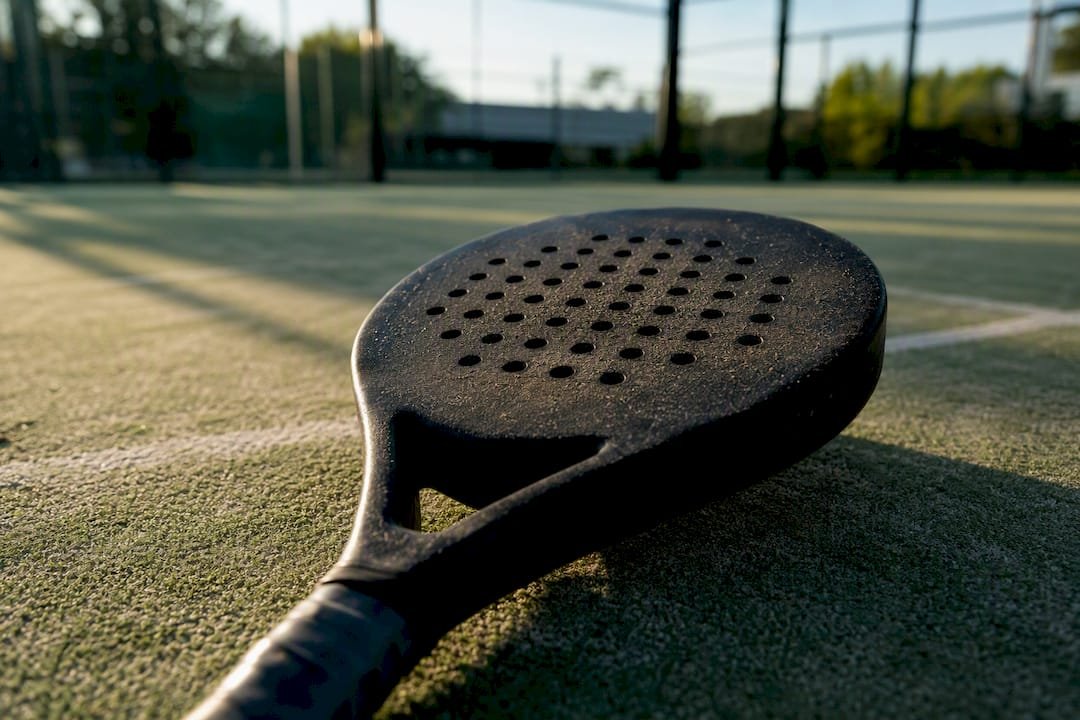
That combination is deliberate. Diamond rackets give you maximum overhead power in exchange for a smaller, higher sweet spot, which is great news when your smash and vibora are already reliable, and bad news the moment you’re not centering the ball.
Where diamond wins:
- Smashes and viboras hit with real pace, not just placement
- Finishing points at the net when you’re already in an attacking position
- Rewarding technically sound players who rarely mishit
Where it punishes you:
- Off-center contact loses power fast and stings the forearm
- Slower reaction at the net compared to lighter, more balanced shapes
- Frequent play with a diamond raises injury risk if your technique isn’t consistent
Teardrop Shape: Why It’s the Versatile Middle Ground
Teardrop sits between round and diamond in both geometry and personality. The sweet spot lands in the upper middle of the face rather than jammed at the top, and balance typically falls between 265 and 275 mm, a range that gives you real pop on the smash without the punishing narrowness of a diamond.
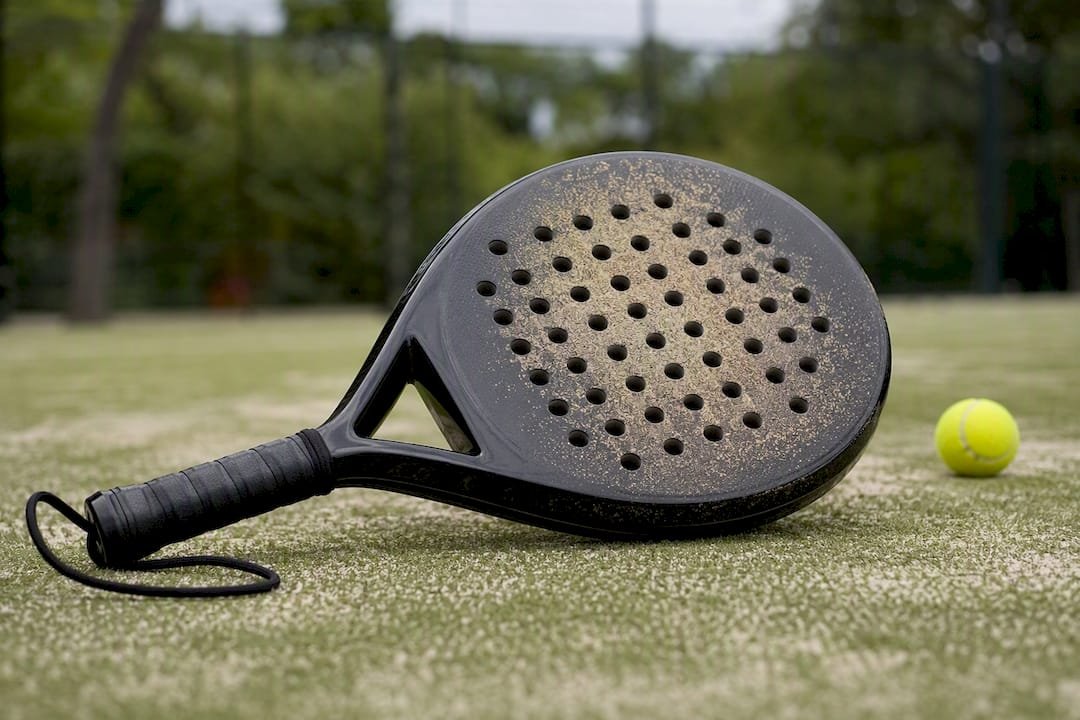
Teardrop rackets balance power and forgiveness well enough that they’ve become the go-to choice for intermediate players moving up from a round frame. You get usable smash power, but a mishit off-center still produces a playable shot instead of a wasted point.
What you can expect on court:
- Smashes carry pace without demanding perfect contact every time
- Defensive volleys and blocks stay controllable, not just offensive shots
- A more forgiving learning curve while you groove your overhead technique
The trade-off: teardrop won’t match a diamond’s raw ceiling on a clean smash, and it’s slightly less forgiving than a round frame on a bad day.
Pro Tip: If you’re between sizes on balance, pick the lower end of the teardrop range (closer to 265 mm) if you play multiple times a week — your arm will thank you by the third set.
Round Shape: The Control Baseline Worth Remembering
Round rackets keep the sweet spot dead center, the most forgiving layout in padel. Balance usually sits under 265 mm, meaning the weight distributes evenly rather than loading toward the head. That even feel is why round remains the standard recommendation for anyone new to the sport.
Round rackets tend to run lighter overall and pair well with softer cores, which matters if you’re still building the shoulder and wrist strength that padel demands.
Choose round if:
- You’re in your first season and still learning contact points
- You play a mostly defensive, ball-placement role rather than an attacking one
- You have a history of elbow, wrist, or shoulder issues and need every bit of forgiveness available
Round isn’t a downgrade. It’s the shape that lets you rally longer and mishit more without losing the point, which is exactly what a developing player needs. For a full breakdown of entry-level options, PadelHip’s beginner racket guide covers round and light teardrop picks side by side.
Teardrop vs Diamond: Specs and Match Situations Side by Side
The clearest way to decide between these two shapes is to translate your own on-court results into spec language. Ask yourself this: when you go for a smash in an actual match, how often does it land clean?
- 6 out of 10 or fewer: teardrop is the better fit, it forgives the misses
- 8 to 9 out of 10 consistently: diamond starts to pay off
- Anything between those numbers, stick with teardrop for another season
One practical drill backs this up: hit 10 smashes and 10 defensive volleys with a candidate racket. If at least 3 to 4 smashes are clean winners and your defensive volleys stay controllable, the shape suits an attacking upgrade. If your volleys start flying long, you’re not ready for that much head weight yet.
| Factor | Teardrop | Diamond |
|---|---|---|
| Sweet spot | Upper middle of face | Upper third, smaller area |
| Typical balance | 265 to 275 mm | 275 to 290 mm |
| Trade-off | Power with forgiveness | Maximum power, less margin |
| Best player level | Intermediate to advanced | Advanced, consistent technique |
| Court role fit | All-around, attack and defense | Net finisher, smash specialist |
For most club players, teardrop delivers the best balance of attack and control, and diamond only earns its keep once your smash contact is reliably clean under match pressure, not just on a quiet practice court.
How to Choose: A Buyer’s Checklist and Demo Rules
Work through these steps before you commit to either shape:
- Rate your smash honestly. Count clean connections out of 10 in real matches, not warmups.
- Check the balance in mm, not the marketing name. A racket’s balance point predicts feel more reliably than the label on the box; some “hybrid” models are teardrop geometry with different branding.
- Match the core to your arm. EVA-hard cores add power and vibration; softer EVA or foam cores cut vibration and suit anyone managing elbow or shoulder sensitivity, regardless of shape.
- Demo for 5 to 10 minutes minimum. Run rally drills and the 10 smash/10 volley test above before judging forgiveness against power.
- Move up a shape only after a full season of consistent results, not after one good week. Coaches warn that jumping to diamond too early can bake in poor technique because it punishes exactly the mistakes a still-developing player makes most.
Pro Tip: Bring your own grip tape to a demo session. A slick or worn grip on a loaner racket will throw off your smash accuracy and make a great racket feel wrong. Budget also matters here, so check PadelHip’s pricing breakdown before you decide how much shape upgrade you can justify this season.
Why These Recommendations Hold Up
This guide is written by Serena, drawing on manufacturer balance-point specs measured in millimeters and the consensus among padel coaches who see the injury and technique costs of moving to diamond too soon. PadelHip backs that guidance with the gear itself:
- A curated range of teardrop, diamond, and round rackets across every skill level and budget
- Fast worldwide shipping and straightforward returns if a racket doesn’t feel right after your first sessions
- Product pages with the balance and weight specs you need, not just marketing copy
Want to see the two shapes side by side? Browse the Bullpadel Vertex Advance 26 for a diamond example, or the Babolat Air Vert for a teardrop built for advanced net play. For a deeper dive into specs, PadelHip’s full shape guide walks through balance, weight, and core type in more detail.
Does Racket Shape Change Your Grip Size?
Shape doesn’t dictate grip circumference directly, but it changes how much handle control you need, and that shifts what grip setup makes sense. Diamond rackets, being head-heavy, benefit from a slightly thinner grip because a thinner handle lets you generate faster wrist snap to compensate for the weight sitting up top. A bulkier grip on a diamond frame can make it feel even more sluggish at the net, which is already diamond’s weakest area.
Teardrop and round rackets tolerate a slightly thicker grip more comfortably since the balance is more even, and a fuller grip can add stability on off-center contact, reinforcing exactly the forgiveness those shapes are built for.
Most padel handles come in one standard size with overgrip as the adjustment tool, so you’re rarely choosing a different handle length between shapes. What you are choosing is overgrip thickness and texture. Players managing tennis elbow or wrist strain often add a cushioned overgrip regardless of shape, since it absorbs shock before it reaches the joint. If you’ve had arm issues in the past, that overgrip choice matters more than whether you land on teardrop or diamond.
One demo tip worth repeating here: test your grip setup with the same racket you’re demoing for shape. A grip that’s too thin on a diamond will exaggerate its already-narrow sweet spot problem, and you’ll blame the shape for what’s actually a handle mismatch.
Padel racket shapes tend to reward players who match the frame to consistent, measurable technique rather than to how a racket looks or what a pro uses.
| Point | Details |
|---|---|
| Default recommendation | Teardrop suits most intermediate to advanced players due to its balance of power and forgiveness. |
| Diamond is specialist gear | Reserve diamond for players whose smash lands clean 8 to 9 times out of 10 in real matches. |
| Balance in mm matters more than labels | Check the manufacturer’s balance spec (round under 265 mm, teardrop 265 to 275 mm, diamond 275 to 290 mm) instead of trusting shape names alone. |
| Core type affects injury risk | Softer EVA or foam cores reduce vibration for players with elbow or shoulder history, regardless of shape. |
| Padelhip stocks all three shapes | Padelhip sells round, teardrop, and diamond rackets with spec details, fast shipping, and easy returns for players choosing between them. |
What Most Guides Get Wrong About Shape Advice
Most articles treat teardrop vs diamond as a style preference, like choosing a color. It isn’t. The research on balance points and sweet spot location points to something closer to a technique test: diamond doesn’t ask what kind of player you want to be, it asks whether your contact point is already reliable under pressure. A lot of players buy diamond because a sponsored pro uses one, then wonder why their volleys feel dead and their forearm aches after two sets.
The bigger blind spot is grip and core getting ignored while shape gets all the attention. Two teardrop rackets with different core densities can feel more different from each other than a teardrop and a diamond with matched cores. If you’re shopping by shape name alone, you’re only solving part of the equation.
My honest read: buy teardrop unless you have hard evidence, not a feeling, that your smash technique is already advanced. That evidence is the 10-smash test, not how confident you feel walking onto the court. Confidence lies. Contact rate doesn’t.
Ready to Try Teardrop or Diamond for Yourself?
Reading specs only gets you so far. At some point you need a racket in hand, and that’s where Padelhip earns its place: a curated lineup of teardrop, diamond, and round rackets with the balance-point and core details listed plainly on every product page, not buried in marketing copy.

If you’ve run the smash test and landed on teardrop, the Babolat Air Vert is a strong in-stock option built for exactly that profile. If your contact rate says diamond, the Bullpadel Vertex Advance 26 delivers the overhead power that shape is built for. Not sure yet? Start browsing the full racket range at Padelhip and check the balance spec on each listing before you decide.
Frequently Asked Questions
Is teardrop or diamond better for beginners?
Neither. Beginners should start with a round racket for the central sweet spot and maximum forgiveness, then move to teardrop once contact becomes consistent.
Can a diamond racket cause arm injuries?
A diamond’s head-heavy build and smaller sweet spot increase vibration on off-center hits, which raises strain on the elbow and shoulder for players without consistent technique or with prior arm issues.
How do I know if I’m ready to upgrade from teardrop to diamond?
Track your smash accuracy in real matches. If you’re landing 8 to 9 clean smashes out of 10 consistently, a diamond racket is worth demoing.
Does balance point matter more than the shape name?
Yes. Two rackets labeled the same shape can feel different depending on construction, so check the manufacturer’s balance point in millimeters rather than relying on the shape label alone.
What core type should I choose if I have elbow pain?
Choose a softer EVA or foam core over a harder EVA core, regardless of whether you pick teardrop or diamond, since softer cores reduce impact vibration.
Sources
- Diamond vs Round vs Teardrop Padel Rackets: Which Shape · UK Padel Guide
- Diamond vs Round vs Teardrop Padel Racket — PadelCritic
Recommended
- Choosing the Right Padel Racket Shape: A Complete Guide – Your online Padel store- Padel Hip-Premier padel shop
- Padel Shoes vs Tennis Shoes: What Padel Players Need
- Adidas Arrow Hit Hexagon Cup 2026 Padel Racket | Diamond Shape Carbon Power Racket for Advanced & Competitive Players – Your online Padel store- Padel Hip-Premier padel shop
- ox EA10 Ventus 12K Xtrem 2026 Padel Racket | Teardrop Shape Control & Power Racket for Advanced Players – Your online Padel store- Padel Hip-Premier padel shop