

Travel with Padel Racket: Cabin vs Checked Explained

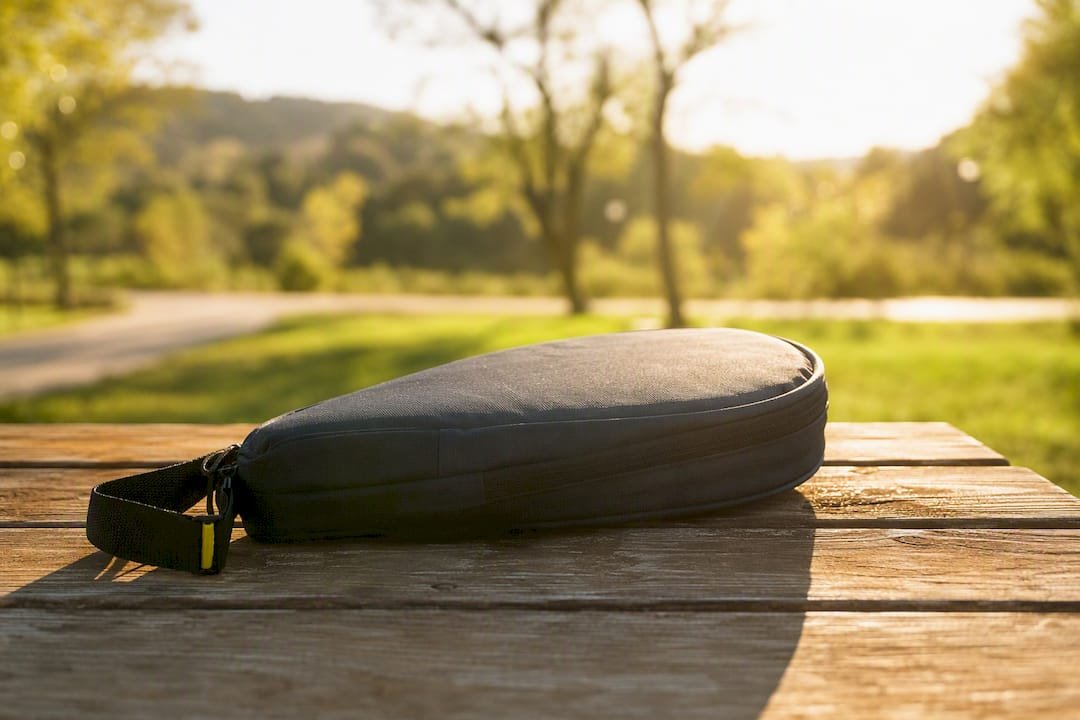
Yes, you can travel with a padel racket, but whether it rides in the cabin or goes in the hold depends on the airline and the security officer at the checkpoint that day. Gov lists tennis rackets as allowed in both hand and hold luggage, but padel rackets aren’t named specifically, so acceptance can vary from one airport to another. Do three things before you pack anything: check your operating carrier’s carry-on dimensions and sports-equipment policy, decide cabin or checked based on your bag size and flight length, and pick protection that matches your choice.
- Check the airline’s cabin size chart against your racket case, not just your suitcase.
- Choose cabin for short, low-risk trips; choose checked for tournament bags or long-haul flights.
- Use a slim padded cover for cabin travel and a rigid or double-protected case for checked baggage. Padelhip stocks both styles for players who want their gear to survive baggage handlers intact.
Key Takeaways
Whether a padel racket flies in the cabin or the hold depends on airline policy and security discretion, not a fixed rule, so protection and documentation matter more than which option you pick.
| Point | Details |
|---|---|
| Check airline policy first | Confirm carry-on dimensions and sports-equipment rules with the operating carrier before packing. |
| Match protection to transit method | Use a slim padded sleeve for cabin travel and a rigid case for checked baggage. |
| Document before and after | Photograph your racket’s condition before departure and again at baggage claim. |
| Act fast on damage | File a Property Irregularity Report at the airport before leaving the arrival area. |
| Shop travel-ready gear | Padelhip offers padded sleeves, rigid cases, and backpacks suited to both cabin and checked travel. |
Table of Contents
- Pre-Flight Checklist for Traveling With a Padel Racket
- Should You Carry It On or Check It?
- What Actually Damages a Racket in Transit, and How to Stop It
- How to Pack a Padel Racket for Cabin or Checked Travel
- What to Do If Your Racket Arrives Damaged
- How Many Rackets Should You Actually Pack?
- Choosing a Travel Bag or Case That Actually Protects Your Gear
- Where to Find Travel-Ready Padel Gear
- Sources
Pre-Flight Checklist for Traveling With a Padel Racket
Run through this the night before, not at the gate. Confirm your carry-on dimensions and whether your racket case counts as your one cabin item with the operating carrier, since some airlines require special sports-luggage booking while others simply apply standard limits. Decide how many rackets you actually need. For most weekend trips, usually one racket is sufficient, and renting at your destination is often simpler than hauling a spare.
- Confirm cabin dimensions and sports-equipment rules with your airline.
- Decide racket count: one for casual trips, two for competition.
- Pack your purchase receipt, condition photos, baggage tags, and travel insurance details.
- Pack protection: slim cover, overgrip, frame protector, or bubble wrap as needed.
Pro Tip: Photograph your racket’s frame and strings from four angles before you leave home. That timestamped photo is the first thing an airline will ask for if you file a damage claim later.
Should You Carry It On or Check It?
Cabin transport gives you control. You watch the racket the whole trip, damage risk drops sharply, and you skip the claims process entirely. The trade-off is size. Full padel tournament bags rarely meet strict cabin limits, and even a compliant bag can get gate-checked on a full flight, which puts it right back in cargo handling anyway.
Checked baggage solves the size problem. You can travel with a full kit bag, multiple rackets, shoes, and apparel without worrying about a gate agent measuring your bag. The cost is exposure: checked bags get thrown, stacked, and compressed under other luggage, and they sit in unpressurized, temperature-swinging holds for hours on longer routes.
Racquets generally travel well either way, fitting inside a standard checked bag or counting as a carry-on personal item on most flights, as long as you respect size and weight limits. The practical rule: measure your racket in its actual case against the airline’s published carry-on dimensions before you leave home. The operating carrier’s staff, and ultimately the security officer at the checkpoint, have the final say regardless of what you read online.
- Cabin: less damage risk, but real size and gate-check limits.
- Checked: room for a full kit, but more exposure to impact and compression.
- Final decision authority sits with the airline and airport security, not the passenger.
What Actually Damages a Racket in Transit, and How to Stop It
Four things wreck rackets on planes: hard impacts and drops during loading, compression from suitcases stacked on top in the hold, temperature and pressure swings in unpressurized cargo bays, and moisture or abrasion from rough handling. Each risk has a specific fix, and stacking the wrong protection against the wrong risk is how players end up with a cracked frame they swear they packed carefully.
| Risk | Protection That Addresses It |
|---|---|
| Impact and drops | Rigid case or hard tube |
| Compression under other bags | Rigid case, double-protected checked bag |
| Temperature and pressure shifts | Thermal or insulated sleeve pocket |
| Moisture and surface abrasion | Padded sleeve or slim cover |
Slim padded covers work well for cabin travel because they present less bulk than a full tournament bag, and airport staff are more likely to accept them without question. For checked baggage, a rigid case or a padded sleeve wrapped inside extra clothing inside your main bag gives you double protection. Thermal pockets help too, particularly on long-haul routes where the cargo hold runs colder than you’d expect, since string tension and frame materials can react to sudden temperature changes.
Pro Tip: If you’re checking two rackets, don’t pack them face to face in one case. Stagger them with a folded towel between the frames so an impact on one edge doesn’t transfer straight through to the second racket.
How to Pack a Padel Racket for Cabin or Checked Travel
Carrying on:
- Clean the racket and check the strings for existing wear.
- Slide it into a slim padded sleeve, not a bulky tournament bag.
- Measure the sleeve against your airline’s published carry-on dimensions.
- Place it in your cabin bag or carry it as your personal item.
- Arrive at the gate early in case a gate-check becomes necessary on a full flight.
Checking it:
- Wrap the racket in a padded sleeve, then place it inside a rigid case or wrapped in clothing.
- Label the case externally with your name and contact details.
- Keep your receipt and condition photos in your carry-on, not the checked bag.
- Remove damp grips or accessories that could trap moisture during transit.
Cabin bag: receipt, photos, valuables, spare overgrip. Checked bag: shoes, extra apparel, bulk padding, secondary racket.
What to Do If Your Racket Arrives Damaged
Don’t leave the arrival area before inspecting your bag. Document everything on the spot, because waiting even a day can weaken or void a claim.
- Inspect the case and racket at the baggage belt and photograph any damage immediately.
- File a Property Irregularity Report at the airline’s baggage counter before you leave, and keep your copy.
- Hold onto your baggage tags, boarding pass, and original purchase receipt, then contact your travel insurance provider and follow their evidence and timeline requirements exactly.
How Many Rackets Should You Actually Pack?
For a weekend social trip or a casual holiday, one racket covers most players, and renting at your destination club is a fine backup if cabin space is tight. Training camps and competitions are different. If you rely on a specific racket’s balance and weight, bring a second one. A rental won’t match your feel mid tournament, and downtime waiting for a replacement can cost you a match.
- Weekend or social trip: one racket, rental as backup.
- Competition or camp: two rackets if replacement feel matters.
- Weigh cabin allowance and racket value against the hassle of a spare.
Pro Tip: If your racket cost more than your checked bag fee, that’s usually a sign it’s worth the extra padding rather than the risk of going cheap on a case.
Choosing a Travel Bag or Case That Actually Protects Your Gear
Look for a slim padded sleeve if you’re aiming for cabin acceptance, and a reinforced or rigid case if the racket is going in the hold. Thermal insulation matters more than most players expect on long-haul or cold-climate routes. External ID pockets save time at baggage claim, and dedicated compartments for grips and soft items keep moisture away from the frame.
- Slim sleeve for cabin, rigid case for checked baggage.
- Thermal insulation for long-haul flights or extreme climates.
- External ID tag pocket and separate compartments for grips and accessories.
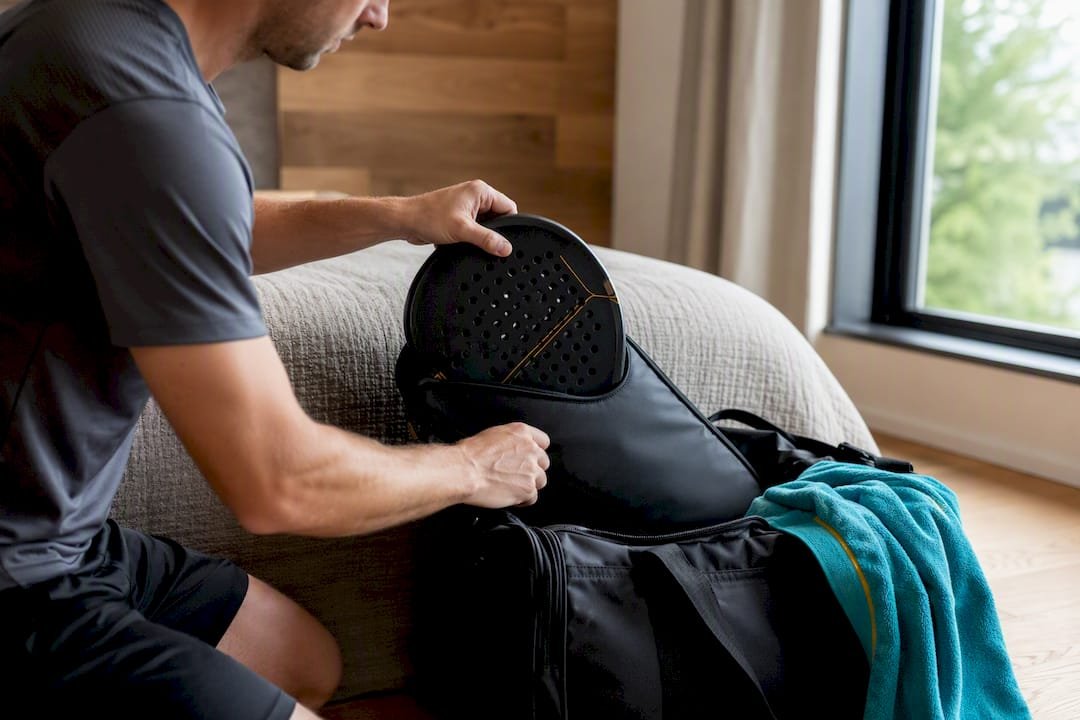
Padelhip’s Aca Padel Backpack covers the compact cabin scenario, while heavier travelers can browse racket shapes built for durability before deciding what’s worth checking versus carrying on.
Lessons From Players Who Fly With Their Gear Often
The mistakes are always small and always avoidable. Forgetting to measure the bag against the airline’s chart, walking out of the arrival hall before checking the racket for cracks, packing a full tournament bag for a weekend when a slim sleeve would’ve cleared cabin screening easily. The players who travel smoothly do one thing consistently: they photograph the racket before they leave home and again the second they land. And no matter how well you’ve planned, the security officer at the checkpoint has the final word on what goes through.
Where to Find Travel-Ready Padel Gear
Packing right is half the job. Having gear built to survive the trip is the other half. Padelhip carries padded sleeves, rigid travel cases, and backpacks designed around the exact risks covered here: impact, compression, and rough handling at the baggage belt.

Every racket sold through Padelhip is 100% authentic, backed by easy returns if something isn’t right, and shipped with the fast, tracked delivery you’ll want when you’re prepping for a trip on a deadline. If you’re deciding whether your current racket is worth checking or replacing before a big trip, check the racket pricing guide to weigh your options, then browse the store for a travel case that fits your next flight.
Sources
- Gov
- Padel Holiday Packing List: What To Take For A Weekend Abroad | Mojo London
- Flying with a padel racket: airline rules – Travel and Padel
- Traveling with Sports Equipment: Airline Fees + Rules (2026)
Recommended
- Aca Padel BackPack – Style, Comfort, and Functionality for Every Padel Player – Your online Padel store- Padel Hip-Premier padel shop
- Padel Racket Prices: What to Buy at Every Budget
- Wilson Team Grey 25 Racket Bag Grey – Lightweight Sports Bag for Tennis and Padel Rackets with Shoe Storage Compartment – Your online Padel store- Padel Hip-Premier padel shop
- StarVie Sport Blue Drax Max Backpack 2025 for Padel Players – Lightweight Backpack with Shoe Compartment – Your online Padel store- Padel Hip-Premier padel shop