Write Article Padel Shoes Nox: Fit and Value Review

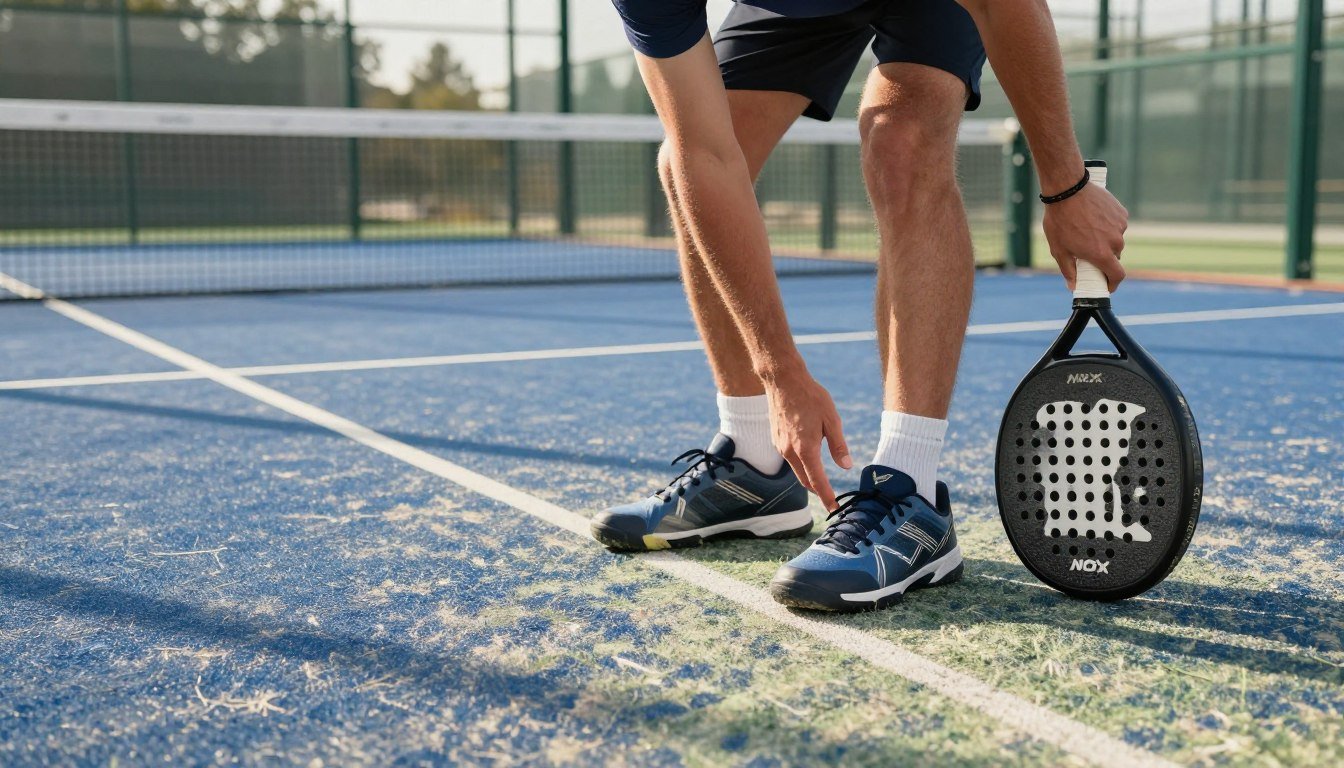
For most club players, the AT10 Pro is the balanced starting point among NOX padel shoes; consider the AT10 Lux for premium construction or the ML10 Hexa for a more flexible upper. Matching your shoes to a racket brand matters less than finding a comfortable fit that suits your movement. The heel-to-toe drop is the height difference between the heel and forefoot, which changes how your foot sits in the shoe.
Your court surface, foot shape, and preferred feel all affect whether a model works well during a match. A shoe that feels supportive while standing can feel quite different during quick lateral steps. This review compares the fit, construction, court features, and value of NOX models so you can make a practical choice. Choose by trying on the model that best matches your foot shape and court priorities, not by matching your racket.
Key Takeaways
- The AT10 Pro is a balanced first option for many club players.
- The AT10 Lux has a distinctive sock-style collar.
- The ML10 Hexa uses a flexible, non-reinforced mesh upper.
- NOX tread combines herringbone channels and small studs.
- Check fit and traction on your own court before committing.
Write Article Padel Shoes Nox: Which Model Fits Your Game?
NOX’s current shoe range has four distinct choices: two AT10 models, the ML10 Hexa, and the Nerbo. The main differences are in upper construction and how each shoe holds your foot. AT10 is Agustín Tapia’s line, while ML10 is associated with Miguel Lamperti.
The table gives you a quick map of the Nox padel options without promising a performance result that depends on your fit and court. Choose by the construction that suits your preferences, not by the player whose name is tied to the line.
| Model | Line or construction distinction | Best fit for |
|---|---|---|
| AT10 Lux | Premium AT10 model with sock collar | Players who prefer a close collar feel |
| AT10 Pro | AT10 model with traditional tongue | Players who prefer a conventional upper |
| ML10 Hexa | Current ML10 generation with mesh upper | Players who favor a flexible upper feel |
| Nerbo | Lightweight, flexible construction | Players considering a flexible, breathable design |
Pick a model for its construction and fit, not for its name alone.
Tapia’s AT10 line and Lamperti’s ML10 association can help you recognize each family, but neither settles which shoe will feel right. Hexa is the current ML10 generation, so an older ML10 listing may describe a different version. Check the model generation in the listing, especially when an ML10 shoe is labelled Hexa.
How NOX Fit Changes Across the Range
A player who dislikes pressure over the instep may find the Lux’s sock-style collar more noticeable than the Pro’s traditional tongue. Collar shape matters because it changes how the shoe feels when you lace and move. The upper also affects how firmly the shoe wraps around your foot.
Fit comes from the whole upper, not just the size printed on the box. A snug hold can feel reassuring, but pressure can become distracting during a long session. Compare the models by how they feel around your instep, heel, and forefoot.
AT10 Lux: A Close-Fitting Collar
The AT10 Lux uses an elastic sock collar that wraps around the ankle opening. Its perforated foam tongue and reinforced Airmesh upper add structure around that collar. This combination gives the shoe a distinct, close-fitting feel compared with a traditional tongue design.
That collar may suit you if it feels smooth against your ankle and does not press across your instep. The elastic opening can also feel more noticeable when you pull the shoe on. A comfortable fit should hold without making you think about the collar during movement.
AT10 Pro: A More Traditional Upper
The AT10 Pro has a traditional tongue and structured TPU mesh upper. An abrasion-resistant toe cap helps protect the front of the shoe, while external heel reinforcement adds structure at the back. These are practical construction details, not a guarantee of a particular level of support for every foot.
If you prefer a familiar tongue under the laces, the Pro gives you that layout. Its protective details may also matter if your toes or heel often brush the court. Check that the structured upper still feels comfortable when you bend and turn.
ML10 Hexa: A Flexible Mesh Feel
The ML10 Hexa uses a non-reinforced mesh upper, which can feel more flexible across the foot. That softness does not guarantee that the shoe will suit every wide foot. Width, volume, and the position of your toes still affect whether the fit feels comfortable.
Trying the Hexa beside a more structured shoe can help you notice how much hold you prefer. A flexible upper should still keep your foot from sliding inside the shoe. Try the shoe on with the socks you play in and check whether the upper holds your foot securely without pinching.
AT10 Lux vs AT10 Pro: What Changes?
The main day-to-day difference is the upper and collar, not the fact that both shoes belong to the AT10 line. The Lux stands apart with its sock collar, while the Pro follows a more traditional tongue layout. Both share design elements intended to support movement.
Neither model is the better choice for every player. Your preference for a collar, tongue, and protective detail should guide the comparison. The table separates those differences from the features the two shoes share.
| Feature | AT10 Lux | AT10 Pro |
|---|---|---|
| Collar | Elastic sock collar | Traditional tongue |
| Upper | Reinforced Airmesh | Structured TPU mesh |
| Protective detail | Perforated foam tongue | Abrasion-resistant toe cap |
| Shared design foundation | AGG and lateral reinforcement | AGG and lateral reinforcement |
Both the NOX AT10 Lux and NOX AT10 Pro use AGG and lateral reinforcement. Those shared elements make the collar and upper the clearest differences to weigh when you compare them in person. The toe cap on the Pro is a specific protective detail, while the Lux’s sock collar is its more distinctive feature.
The AT10 Lux may appeal if you like the wrapped feel around the ankle. The AT10 Pro may suit you better if you want a conventional tongue and toe protection. Pick the Lux only if its collar feels comfortable during lateral movement, not simply because it is the premium model.
ML10 Hexa and Nerbo for Different Foot Profiles
If neither AT10 model feels right, the Hexa and Nerbo offer different construction routes rather than a simple premium-versus-budget choice. Both widen the options beyond the AT10 line, with different mixes of flexibility and reinforcement. Focus on the areas where you want structure.
Selected reinforcements do not make either shoe a universal fit. Your heel hold and comfort across the upper matter more than a feature list. These NOX padel shoes give you distinct details to test on your own foot.
ML10 Hexa: Flexible Mesh With Reinforced Key Areas
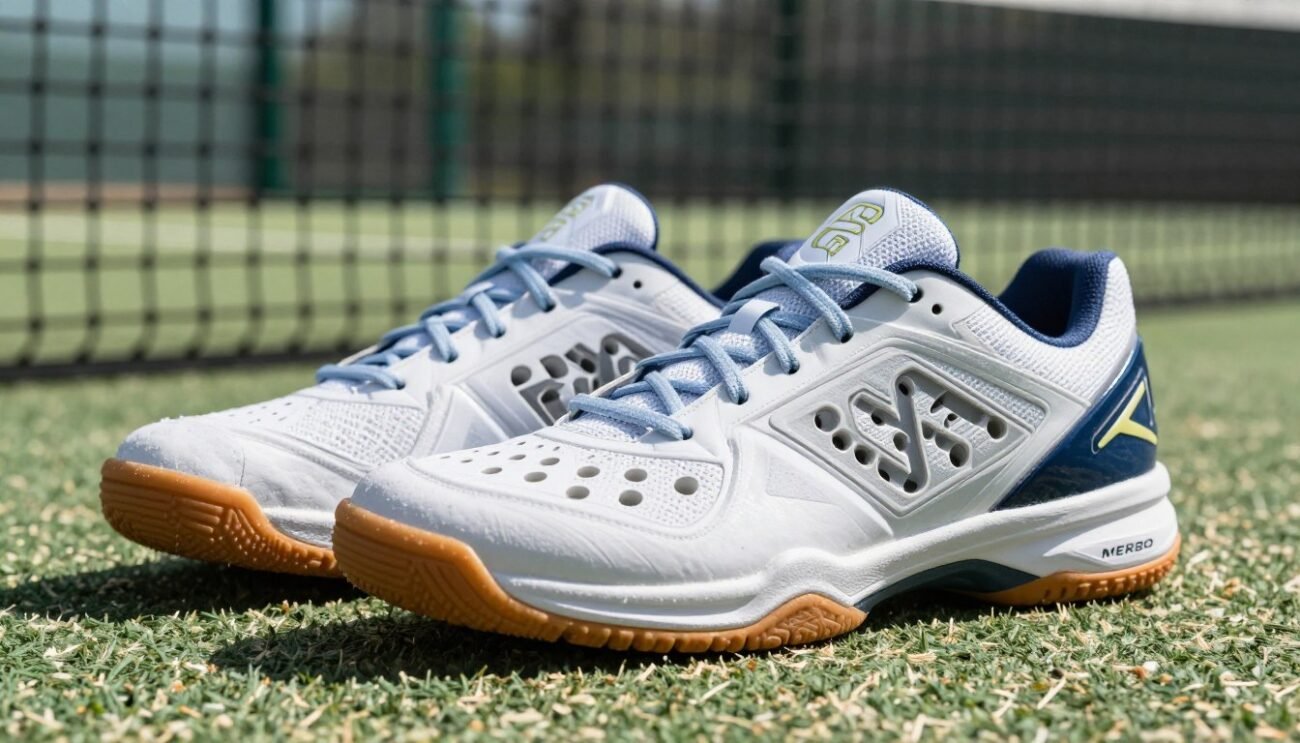
The ML10 Hexa pairs a mesh upper with polymer reinforcement at the toe and eyelets. A TPU-reinforced heel adds another supported area at the back. That layout keeps selected parts of the shoe reinforced while the mesh remains flexible.
Those reinforcements can be useful details to inspect if you want a flexible feel with added structure in specific places. They do not establish how the shoe will fit your heel or forefoot. Pay attention to whether the reinforced areas sit comfortably against your foot.
Nerbo: A Lightweight, Flexible Option
The Nerbo uses a sock collar, breathable mesh, and a flexible sole. TPU reinforcement is also part of its construction. Together, those details make it a different option from the Hexa, particularly if you like a sock-style opening and a flexible sole.
Use these cues to narrow the choice, then judge the actual fit rather than assuming one construction suits all players:
- Choose flexible mesh if you prefer a less structured upper feel.
- Consider the Nerbo if a sock-style collar is a priority.
- Try an AT10 model if you prefer a more reinforced upper.
Treat the upper and heel hold as fit decisions, and try both alternatives if those areas are your main concern.
How the Outsole Handles Sanded Courts
NOX uses a hybrid herringbone pattern with small studs, a design intended to grip silica-sand artificial turf. The tread is surface-specific, so its design intent does not promise equal traction on every court. Loose sand and turf conditions can change how the outsole feels underfoot.
Judge grip on the surface where you actually play. A pattern that works well on one padel court may feel different on another. Court maintenance and the amount of sand underfoot are part of that match.
Before relying on the outsole, make three simple checks at your club:
- Identify whether the court uses sanded artificial turf.
- Look at how much loose sand is present on the playing surface.
- Test grip during controlled forward and lateral movement.
The hybrid pattern combines herringbone channels with small studs rather than using one tread style alone. That combination is designed for artificial turf with silica sand, a common court setup for padel. It does not mean the shoes will behave the same on turf with little sand or on other court surfaces.
Start with controlled steps, then notice whether your feet stop and release as expected. A shoe that feels secure in a straight walk may respond differently during a side step. Avoid judging traction from a brief standstill, since movement changes how the outsole meets the court.
If the outsole feels too sticky or too slippery on your home court, reassess the court match before blaming your footwork.
Cushioning and AGG for On-Court Comfort
NOX combines an EVA-and-phylon midsole with a raised heel geometry, so cushioning and foot position are separate parts of the comfort question. Materials shape the feel, while geometry changes how your foot sits. Neither feature alone tells you whether the shoe will feel comfortable during play.
Judge cushioning by how the shoe feels during repeated stops and landings, rather than by the material names alone. The midsole, insole, and heel height each contribute to the underfoot experience. Your own response to those parts matters more than a technical label.
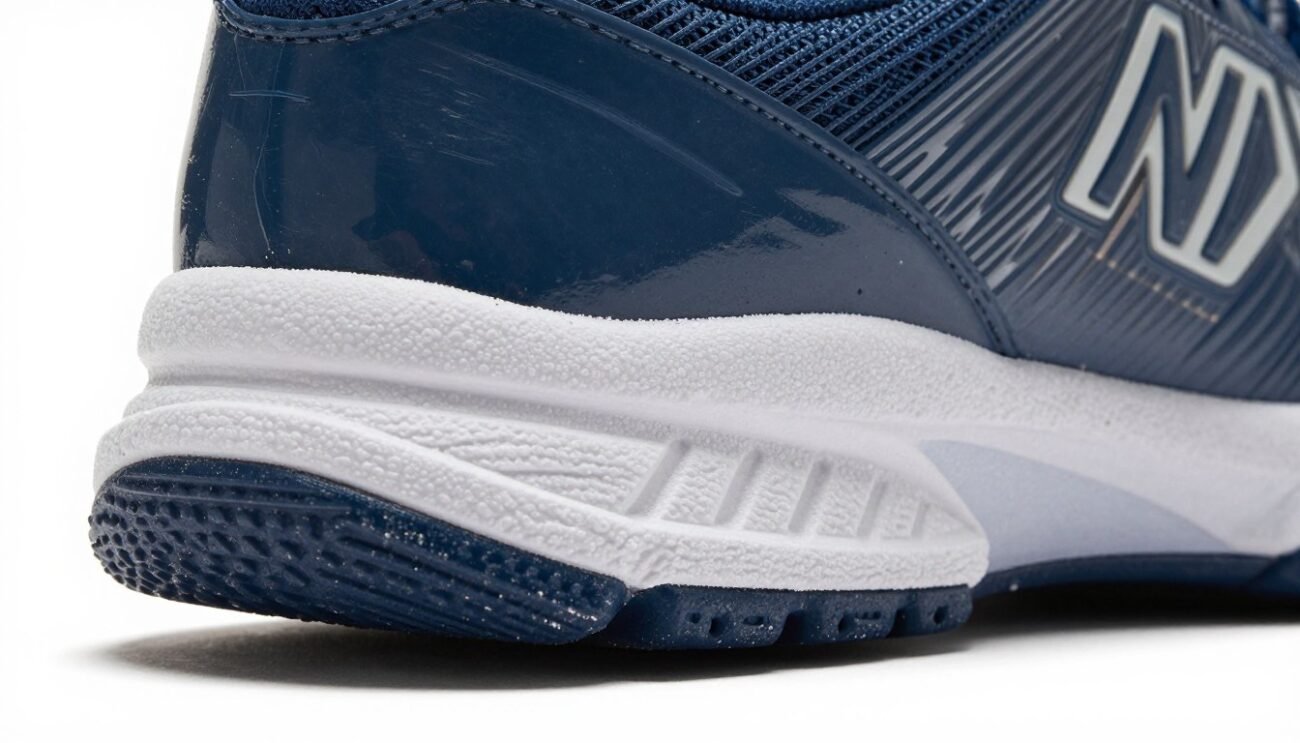
EVA and Phylon Underfoot
NOX uses Strobel-assembled, popcorn-type EVA with a low-density injected phylon midsole. EVA foam is a cushioning material; phylon forms another part of the midsole construction. Together, they are intended to provide cushioning and shock absorption underfoot.
NOX insoles are described as antibacterial and resistant to deformation. Those stated properties do not tell you how much cushioning or energy return you will feel. Try the shoes after several minutes of movement, when the midsole has been working through stops and landings.
Advanced Gravity Geometry at the Heel
Heel-to-toe drop means the height difference between the heel and forefoot, which changes how the foot is positioned in the shoe. NOX’s Advanced Gravity Geometry, or AGG, raises the heel relative to the toe. The geometry describes a change in heel height, not a promise of improved play.
NOX footwear is certified by the INESCOP Footwear Technology Centre in Alicante, Spain. That is a footwear certification, not proof that a particular shoe prevents injury. Consider the raised heel as one part of the shoe’s feel, then check how your body responds during court movement.
On court, notice whether your feet feel comfortable through repeated changes of direction. A shoe that feels soft while standing may feel different when you land or stop quickly. Cushioning, shock absorption, and energy return are best judged through that movement, not by material names.
What Nox Models Cost and Where Value Changes
The available UK 2026 price snapshot runs from about £79 to £115, but that range is not a US-market price guide. Prices depend on model and generation, and older-season pairs can sell for less. The figures below are in pounds and reflect a snapshot on October 17, 2026.
US buyers should compare current local prices and confirm the model year before judging value. A familiar model name can cover more than one generation. The table shows the UK figures and generation notes for the four models.
| Model | UK price snapshot on October 17, 2026 | Generation note |
|---|---|---|
| AT10 Pro | £78.75-96.99 | 2026 model; older seasons may be discounted |
| AT10 Lux | £109.99-114.49 | 2026 model; older seasons may be discounted |
| ML10 Hexa | £86.99 | Current ML10 generation |
| Nerbo | £95.99-104.99 | 2026 model; older seasons may be discounted |
The 2026 NOX range has recommended retail prices above £100, while actual UK asking prices in this snapshot vary. That gap can reflect discounts and differences in the model or season being sold. Older-season pairs remain on sale, so a lower price does not necessarily mean the shoe has the same construction as a current version.
For US shoppers, pounds are a comparison point, not a conversion into a US price quote. Local pricing, availability, and discounts can differ. Compare the asking price against the exact generation and construction you are buying, not just the model name.
Getting the Right Size Before You Buy
A useful starting point is to try NOX shoes half a size above your usual size, then confirm the fit with movement. Treat that as a trial, not a rule for every foot. Size charts and your individual foot shape still matter.
Keep the pair only if your toes have room and your heel stays secure without pressure across the forefoot. The AT10 Lux is described as having a snug fit, so it deserves a careful try-on. A shoe that feels fine while seated can become uncomfortable once you move.
Use this four-point check when you try a pair:
- Start by testing half a size above your usual shoe size.
- Leave enough comfortable room at the toe.
- Check for unwanted movement at the heel.
- Make a few lateral steps while wearing your match socks.
Use a size chart as a guide, since brand sizing and foot shape can affect the result. If you buy online, try the shoes indoors on a clean surface and keep the packaging until you are sure. Check each foot, since one side may need more room than the other.
The snug Lux fit is worth checking in person when possible, or carefully at home if you order online. Match socks can change the feel around the instep and heel. Keep the pair only if your toes have room and your heel stays secure without pressure across the forefoot.
Nox Against Footwear-First Alternatives
NOX’s racket-led brand identity is a different starting point from footwear-first names such as ASICS and Mizuno. That history is context, not a verdict on which shoe fits you best. Compare the design, feel, and court grip of the actual models you are considering.
Choose by your main priority, then test fit on court. Established footwear brands offer their own systems and design backgrounds. A lighter listed shoe may also matter if you value lower weight in a padel match.
ASICS and Mizuno: Footwear Engineering Heritage
ASICS and Mizuno have footwear-first histories, unlike NOX’s racket-led start. ASICS uses GEL systems, while Mizuno has its Wave system. Those names identify each brand’s footwear technology, but they do not make one brand universally superior.
For you, the useful comparison is how a particular shoe fits and feels during court movement. Brand familiarity can make a model easier to evaluate, but the details still vary between shoes. Check the fit and traction you get, rather than relying on a logo or technology name.
Babolat Jet Premura: A Speed-Focused Alternative
The Babolat Jet Premura is listed at approximately 320 g. That listed weight gives you a concrete comparison if a lighter shoe is high on your list. It does not establish how light the shoe feels on your foot or how well it suits your court.
Use these priorities to decide what to try first:
- Consider NOX for its padel-specific features.
- Try ASICS or Mizuno if you value familiarity with footwear-first brands.
- Consider the Jet Premura when low listed weight is a priority.
NOX, ASICS, Mizuno, and Babolat offer different starting points, not a single winner for every player. Fit and court grip remain personal checks, even when a shoe’s design looks right on paper. Try the alternative that best matches your priority, then compare its fit and court grip on the surface where you play.
When to Replace Your Pair
With regular play two to three times a week, a general estimate for NOX shoes is six to twelve months, though court use and wear patterns affect timing. Use that as a broad estimate, not a fixed schedule. The outsole and cushioning can wear before the upper looks badly damaged.
Replace the pair when worn traction or a clear loss of underfoot comfort changes how securely you move. Check the shoe’s contact areas rather than judging it by appearance alone. Uneven wear can show up where your foot pushes off or brakes.
Inspect these three areas as your shoes accumulate court time:
- Check the tread at the heel for visible wear.
- Check the lateral forefoot, where wear often appears.
- Notice whether the cushioning still feels consistent.
The heel and lateral forefoot often show outsole wear first. Those spots take repeated contact during movement, so a smooth patch can matter even if the rest of the sole looks intact. A clear change in grip is more useful than a calendar date by itself.
NOX shoes use EVA cushioning, and its feel can change with regular use. If one shoe feels noticeably less comfortable than its pair, inspect both before deciding. Replace the pair when worn traction or a clear loss of underfoot comfort changes how securely you move.
Do not keep a pair only because its upper still looks presentable; worn traction or lost comfort can change how securely you move.
Conclusion
The AT10 Pro is the sensible starting point for a balanced NOX choice, while the Lux and Hexa suit different fit priorities. Start with the Pro if you want a conventional upper and a broadly useful option for club play. Choose the AT10 Lux if you prefer its premium construction and its collar feels comfortable.
The ML10 Hexa is worth trying if you favor a flexible mesh upper. NOX padel shoes should feel comfortable and supportive in your own movement, not merely look right on a product page. Try your preferred model in your match socks and confirm the fit on your usual court before committing.